Taman Ayun Temple
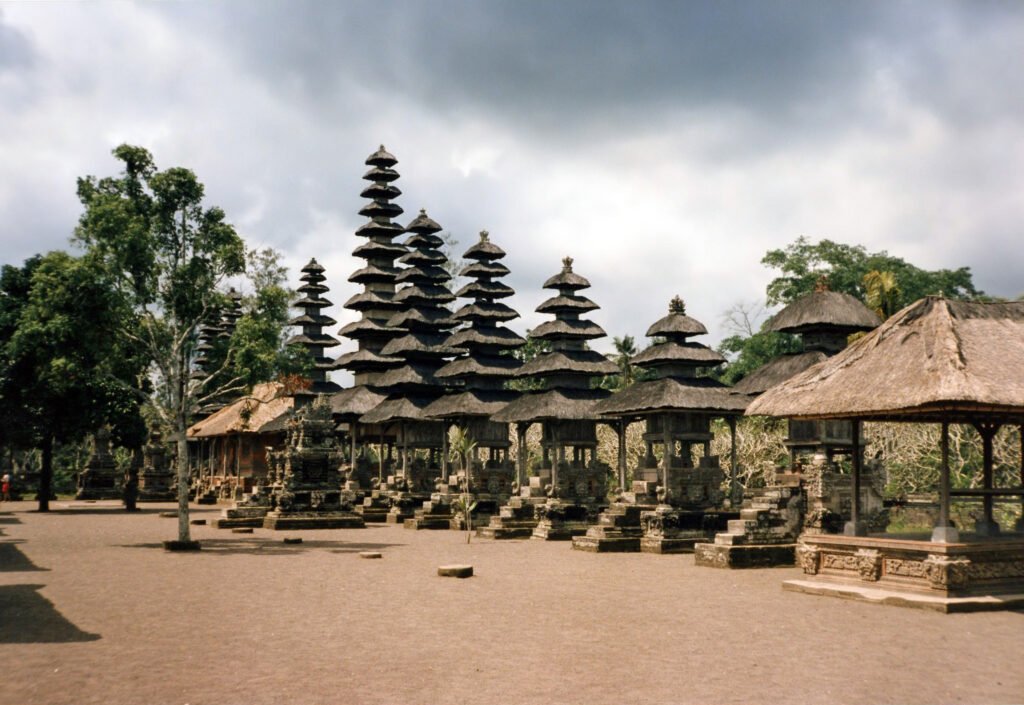
Photo: Bernard Gagnon / Wikimedia Commons, CC BY-SA 3.0. No editorial changes by BaliFinder; WordPress may generate display sizes. Source photograph dated 1985-09-23.

Kredit foto
1.
Photo: Bernard Gagnon / Wikimedia Commons, CC BY-SA 3.0. No editorial changes by BaliFinder; WordPress may generate display sizes. Source photograph dated 1985-09-23.
Butuh informasi?
Tanyakan rute, fasilitas, atau kunjungan melalui chat BaliFinder.
Chat admin BaliFinderTentang destinasi
Taman Ayun Temple in Mengwi is one of Bali’s most important royal water-temple sites. Its gardens, water setting and tiered shrines make it visually distinctive, but its significance extends beyond architecture. It is a component of UNESCO’s Cultural Landscape of Bali Province, the World Heritage property associated with the subak water-management system and Tri Hita Karana philosophy.
Why Taman Ayun matters
Subak is not simply a method of moving water into rice fields. It brings together farming communities, shared irrigation arrangements and religious practice. UNESCO describes Taman Ayun’s role within the regional water-temple network, connecting royal authority, ritual and agricultural cooperation.
That context changes how you look at the site. The water and shrines are not decorative additions to a garden; they belong to a wider cultural landscape. A visit here can complement time in rice-growing areas by showing another part of the system that links fields, communities and sacred places.
What to look for during a visit
Take time to observe the arrangement of courtyards, gateways and multi-tiered meru shrines from the permitted visitor route. The contrast between open garden space and the more sacred inner areas is part of the experience. A guide can help explain specific buildings, but you can also enjoy the layout at a quiet pace without turning every structure into a photo stop.
Do not assume that the most attractive inner courtyard is open to tourists. Follow signs and staff directions, and appreciate restricted areas from the allowed perimeter. A temple’s visitor route can be designed to let people see its architecture while preserving space for worship.
Dress and etiquette
Wear modest clothing and follow the current sarong and sash requirements at the entrance. Ask whether these are included, rented or need to be brought separately. Keep your shoulders and knees appropriately covered and avoid entering in wet beachwear.
Give worshippers priority and keep your voice low near religious activity. Ask before taking close photographs of people, leave offerings undisturbed and do not climb gateways or shrine bases. If a ceremony changes the usual route, adapt your visit rather than trying to reach a particular angle.
Planning the journey
Use Taman Ayun Temple in Mengwi as the exact destination. It is a separate outing from central Ubud or the southwest beaches, even when a tour combines them. Allow for traffic and avoid relying on a fixed drive time from a broad hotel district.
A visit of roughly an hour or more can provide time for the permitted route and gardens, depending on your interest and the day’s access. Bring water and sun protection for outdoor sections, and footwear that is comfortable to remove if asked. Check current admission and opening arrangements locally rather than relying on an old tour listing.
Combining architecture and landscape
Sangeh Monkey Forest provides a nearby-region nature and cultural contrast, although it needs its own wildlife precautions. Tanah Lot Temple offers a coastal temple setting on a different part of a broader Badung–Tabanan route. Jatiluwih Rice Terraces can extend the subak theme, but that is a longer journey and deserves substantial time rather than a rushed add-on.
Choose a route with a clear purpose: royal temple and gardens, a paired cultural visit, or a wider exploration of Bali’s water landscape. Trying to combine all of these with a distant sunset stop can leave little time at the sites themselves.
Is every Bali rice terrace part of the same UNESCO property?
No. The World Heritage designation covers defined components. Taman Ayun is one of them; the label should not be applied automatically to every scenic rice field.
Can visitors enter every courtyard?
No. Follow the designated visitor route and respect areas reserved for worship.
Sources: UNESCO: Cultural Landscape of Bali Province and UNESCO evaluation: Taman Ayun’s water-temple role.
Photo: Bernard Gagnon / Wikimedia Commons, CC BY-SA 3.0. No editorial changes by BaliFinder; WordPress may generate display sizes. Source photograph dated 1985-09-23.