Mengesta Village
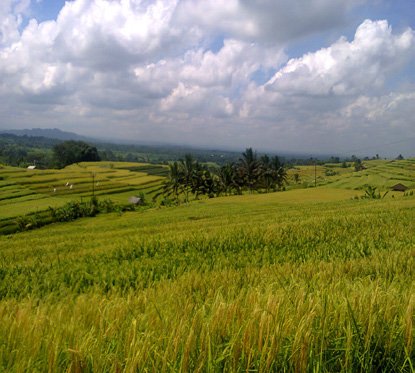
Photo: Ni Nyoman Parwati and Trianasari / Binus Business Review. Original source. CC BY-SA 4.0.
Kredit foto
1.
Photo: Ni Nyoman Parwati and Trianasari / Binus Business Review. Original source. CC BY-SA 4.0.
Butuh informasi?
Tanyakan rute, fasilitas, atau kunjungan melalui chat BaliFinder.
Chat admin BaliFinderTentang destinasi
Mengesta Village in Penebel offers a way to experience Tabanan through its agricultural landscape and local community. The village’s own profile highlights rice fields, plantations, mountain scenery and hot-water attractions. A visit works best when you arrange a particular walk or activity rather than arriving at a general village pin and expecting a single tourist entrance.
The landscape is productive land used by residents. Treat a field walk as an opportunity to learn how the place works, not simply as access to a green background. A local guide can help choose an appropriate route and explain what is being grown at the time.
Choose a walk that fits your group
Mengesta’s official profile describes trekking options of different lengths. Confirm which routes are currently available, their duration and the surfaces involved. Ask whether the walk uses roads, field paths, slopes or water crossings so you can match it to your group’s ability.
A short route can still provide a useful introduction to irrigation and farming. Tell the guide whether you want detailed explanation, photography time or a gentle walk. This is more helpful than selecting a package solely by distance, especially if you are travelling with children or someone with limited mobility.
Read the fields as a working landscape
Rice terraces look different through the agricultural cycle. Fields may be flooded, newly planted, green, golden or recently harvested, and neighbouring plots need not be at the same stage. Ask what you are seeing rather than expecting every visit to match a particular season’s photograph.
Stay on the route agreed with your guide and give workers space. Do not step into a field, cross a fragile embankment or move an irrigation barrier for a picture. Water channels are part of a functioning system, and a small disturbance can affect more than the spot in front of you.
Arrange cultural encounters instead of assuming access
Homes, temples and community buildings are not automatically open because they appear along a tourism route. If you would like to visit a compound or learn about a local practice, ask the village tourism team to arrange it. Confirm what is included and whether photography is welcome.
Dress respectfully and keep voices considerate near places of worship. A ceremony taking place during your visit is part of community life, not a performance added to your itinerary. Follow local directions and be prepared to change a route if an event affects access.
Treat a hot-spring stop as a separate plan
The village profile identifies hot-water resources among Mengesta’s attractions. Ask which facility is currently operating, where it is located and what visitor arrangements apply. Do not assume an unfamiliar spring is a public bathing pool or that admission is included with a guided walk.
Confirm changing facilities, pool access and the total charge before entering. Follow the operator’s guidance on water use and comfort, and avoid promises that bathing will treat a medical condition. A hot-spring visit is an optional relaxation stop, not a necessary part of seeing the village.
Prepare for weather and basic services
Wear footwear with grip and carry rain protection, drinking water and sun protection. Rural walking can involve both exposed fields and shaded sections, so plan for changing conditions. Ask where toilets and meal stops are available rather than relying on services at every turn.
Confirm your meeting point, guide language, group size and transport arrangements before departure. If you have specific access needs, describe them clearly. A village-wide tourism description cannot establish that every route or facility will suit your requirements.
Connect Mengesta with the wider Penebel area
Jatiluwih Rice Terraces provides another perspective on Tabanan’s rice landscape, while Luhur Batukaru Temple adds religious context. Choose a route that gives each place time and respects the temple’s visitor requirements. Several rural stops are less useful if all become hurried photographs.
Wongaya Gede Village and Luhur Besi Kalung Temple are separate destinations in the broader area. Ask a local operator which combination makes sense from your accommodation instead of assuming their proximity on a map means a short journey.
Photo: Ni Nyoman Parwati and Trianasari / Binus Business Review. Original source. CC BY-SA 4.0.