Bali Botanic Garden
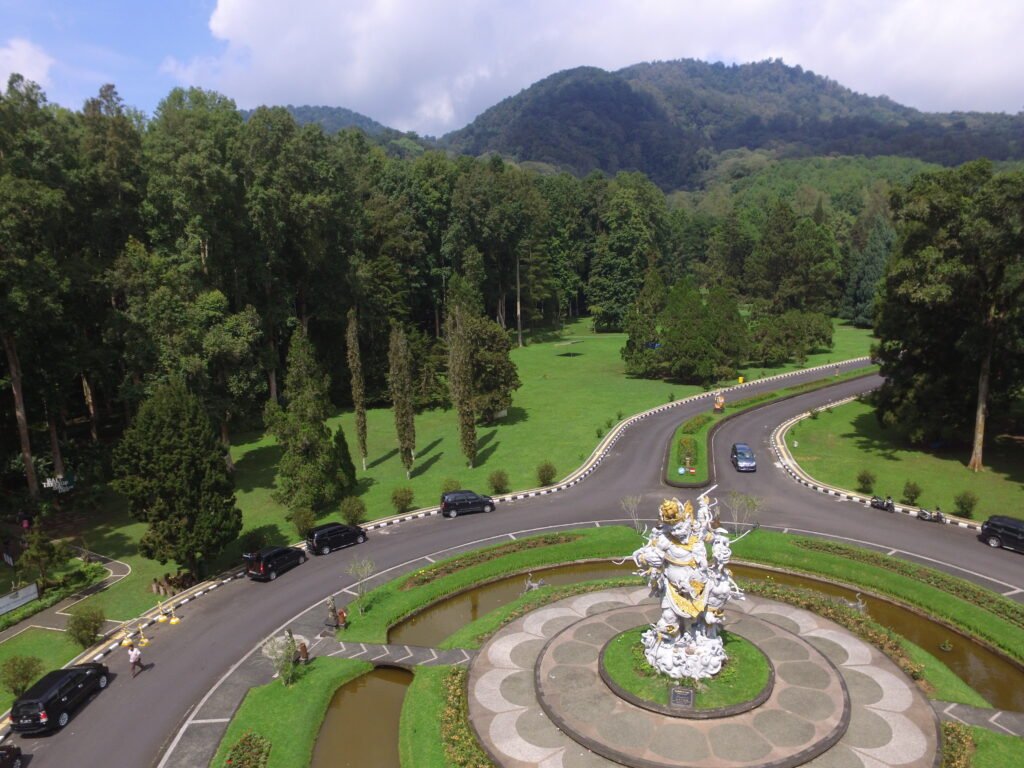
Photo: Bali Botanic Garden / Wikimedia Commons, CC BY-SA 4.0. No editorial changes by BaliFinder; WordPress may generate display sizes. Source photograph dated 2016-12-16.

Kredit foto
1.
Photo: Bali Botanic Garden / Wikimedia Commons, CC BY-SA 4.0. No editorial changes by BaliFinder; WordPress may generate display sizes. Source photograph dated 2016-12-16.
Butuh informasi?
Tanyakan rute, fasilitas, atau kunjungan melalui chat BaliFinder.
Chat admin BaliFinderTentang destinasi
Bali Botanic Garden, or Kebun Raya Eka Karya Bali, is a place to explore plants as living collections rather than simply a green background for photographs. Located in Tabanan’s highlands, it offers a different pace from Bali’s beaches and urban attractions. Choose a few areas to appreciate carefully instead of trying to cover every part of the grounds.
The official garden history records its inauguration on 15 July 1959 and describes a present area of about 157 hectares. Its conservation focus includes tropical plants from eastern Indonesia and a collection of gymnosperms. That scale and purpose make a little route planning worthwhile.
Begin with a map and an interest
Use the official visitor map or ask the visitor centre which collections are accessible that day. Decide whether your priority is orchids, trees, an educational visit or a relaxed walk. A focused route will be more rewarding than wandering until you are too tired to reach the section you most wanted to see.
Read plant labels and look beyond flowers. Leaves, bark, branching patterns and growth habits can be just as interesting. If visiting with children, ask them to compare two nearby plants or sketch a leaf shape rather than turning the whole visit into a race between landmarks.
Explore the orchid collection thoughtfully
The garden’s official information distinguishes a lower orchid area associated with cultivated hybrids from an upper area focused on wild orchids. It links the latter to research and conservation, with collections drawn from different parts of Indonesia. Ask which areas are currently open before following an older map.
Flowering is seasonal and varies between plants. An orchid collection is not guaranteed to be covered in blooms on every visit, and non-flowering plants remain part of its scientific value. Do not touch roots, move pots or leave the path to obtain a closer image.
Understand the conservation purpose
A botanic garden maintains living plant material for purposes that include conservation, research and education. Some collections may need restrictions or temporary closures for their care. Respect those decisions rather than assuming every planted space is designed for unrestricted recreation.
Leave flowers, seeds, leaves and other material where they are. Do not collect a cutting or remove a fallen object as a souvenir without explicit authorisation. If a plant interests you, record its label and ask staff where reliable information or legally sourced cultivated plants can be found.
Plan your route for comfort
Wear comfortable shoes and carry a light rain layer. Highland conditions can change, and a sunny arrival does not guarantee dry paths throughout the visit. Include water and rest breaks within the garden’s current visitor rules, and check where food is permitted before unpacking a picnic.
Visitors with mobility needs should ask about surfaces, gradients and any available transport or assistance. The large area makes distance as important as individual steps. Agree on a realistic loop and a clear meeting point if members of your group want different levels of walking.
Check current tickets and activities
Use the official garden website for current admission and visitor guidance. Confirm whether an educational tour, rental or organised activity requires a separate booking. Do not assume services described in an older travel article remain available or included with admission.
For a school or larger family group, arranging an educational session can add structure and help match the visit to ages and interests. Ask about language, duration and the areas covered. Keep time afterwards for an unhurried walk instead of scheduling another attraction immediately.
Combine the garden with Bedugul
Lake Beratan and Ulun Danu Beratan Temple provide a natural complement to a garden-focused day. Choose an order that leaves adequate time at each and accounts for the weather. A temple visit also requires attention to dress and religious access, so prepare accordingly.
The Blooms Garden is a separate attraction with a different visitor focus. Compare your interests before adding both gardens to one day. If you want botanical interpretation and labelled collections, give Eka Karya enough time to fulfil that purpose.
Photo: Bali Botanic Garden / Wikimedia Commons, CC BY-SA 4.0. No editorial changes by BaliFinder; WordPress may generate display sizes. Source photograph dated 2016-12-16.