Trunyan Village
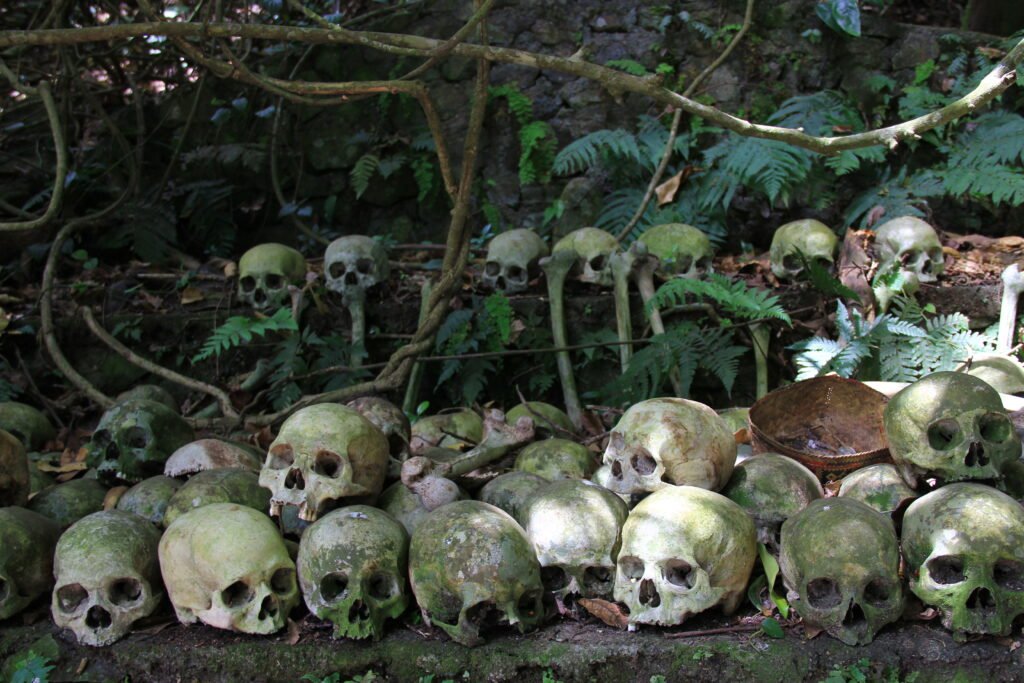
Photo: Paracetamol / Wikimedia Commons, CC BY-SA 3.0. No editorial changes by BaliFinder; WordPress may generate display sizes. Source photograph dated 2013-08-15.

Photo credits
1.
Photo: Paracetamol / Wikimedia Commons, CC BY-SA 3.0. No editorial changes by BaliFinder; WordPress may generate display sizes. Source photograph dated 2013-08-15.
Questions about this place?
Ask about access, facilities or your visit in BaliFinder chat.
Chat with BaliFinderAbout this destination
Trunyan Village lies on the eastern side of Lake Batur and is associated with a distinctive Bali Aga cultural heritage. Visitors often hear first about its funeral tradition, but the village should be understood as a living community with religious places, families and its own rules. A good visit begins with a local explanation and clear arrangements, rather than a search for unusual photographs.
Understand the cultural context
Trunyan’s mepasah tradition differs from the cremation practices widely associated with Bali. In particular circumstances, the deceased are placed in a designated cemetery area under the Taru Menyan tree, with bamboo structures used as protection. The practice follows local eligibility and ritual rules; it is inaccurate to assume every resident receives the same form of burial.
Research treats this tradition as part of community identity and relationships with nature and ancestors. Approach it in those terms. Avoid sensational language about the dead or claims that a cultural belief has been scientifically proved. A local guide can explain what the community wishes visitors to understand and what should remain private.
Village, cemetery and hill walks are different visits
A tour described simply as “Trunyan” may focus on the village, a cemetery visit or the surrounding hills. Ask which places are included and whether each is currently accessible. The cemetery is a sacred setting, while a hill walk has separate physical demands and route considerations.
If you are uncomfortable seeing human remains, say so before booking. It may be possible to arrange a different cultural or landscape introduction, but do not assume the operator will infer your preference. Families should discuss the nature of the visit in advance and choose an experience appropriate for everyone travelling.
Agree on transport and guiding
Lake crossings are one way visitors reach the area. Confirm the departure point, destination, full boat price, passenger capacity, life-jacket provision and return arrangements before boarding. Ask whether a guide, admission or any other charge is included so that the complete cost is understood.
Weather and lake conditions can affect a boat outing. Accept changes recommended by the operator and do not pressure a boat crew to continue for the sake of an itinerary. If using a land approach to a village meeting point, verify the road and exact address with your host rather than assuming it also reaches every associated cultural site.
Conduct at sacred places
Wear modest clothing and follow the guide’s current instructions. Do not touch remains, bamboo structures, offerings or other objects. Ask before taking photographs and accept restrictions without argument. Close-up images of human remains are not necessary to record that you visited or to understand the tradition.
Keep conversation quiet and avoid staged poses that trivialise the setting. Some access conditions may relate to local customary rules, so ask about them before travelling. A guide’s role should include explaining those conditions, not promising unrestricted entry regardless of what the community permits.
Plan a balanced Lake Batur day
Leave enough time for explanation, transport and an unhurried return. Batur Geopark Museum can provide a broader introduction to the region, while Penelokan offers a landscape overview. Avoid treating Trunyan as a brief addition between a mountain climb and several timed activities if you want a meaningful cultural visit.
Does every Trunyan resident receive the same funeral treatment?
No. Mepasah follows specific local rules and does not describe every burial in the community.
Is a Trunyan tour always a cemetery visit?
Not necessarily. Confirm the exact stops and tell the organiser what kind of experience you want before paying.
Sources: Indonesia Travel: Trunyan community, access and customs and Research on Trunyan’s mepasah tradition.
Photo: Paracetamol / Wikimedia Commons, CC BY-SA 3.0. No editorial changes by BaliFinder; WordPress may generate display sizes. Source photograph dated 2013-08-15.