Sidatapa Village
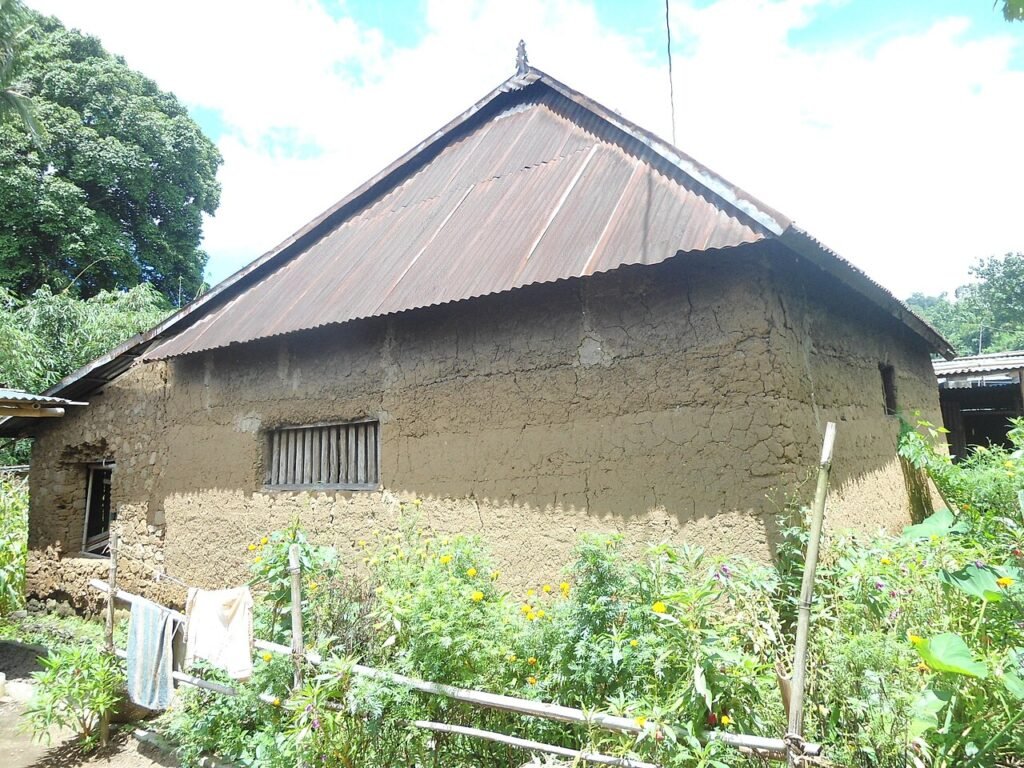
Photo: DayakSibiriak, Wikimedia Commons, CC BY-SA 4.0. No editorial changes by BaliFinder; display sizes may be generated.

Photo credits
1.
Photo: DayakSibiriak, Wikimedia Commons, CC BY-SA 4.0. No editorial changes by BaliFinder; display sizes may be generated.
Questions about this place?
Ask about access, facilities or your visit in BaliFinder chat.
Chat with BaliFinderAbout this destination
Sidatapa Village offers a closer look at North Bali’s bamboo craft traditions and the relationship between houses, family life and customary practice. Set in the hills of Banjar district, the village rewards visitors who arrive with curiosity and enough time for conversation. Its appeal is the opportunity to understand a working community, rather than to move quickly between staged attractions.
The name also appears as Sidetapa in official descriptions. Both spellings may appear when you arrange transport or discuss the village with a local guide. Confirm the meeting point and host’s name before travelling, especially if your visit includes a particular craft workshop or traditional house.
Bamboo weaving and everyday creativity
Buleleng government reports document a living bamboo-weaving tradition, including household containers, trays and decorative lamps. Different makers work with different designs, and the most interesting part of a visit may be watching the sequence from prepared strips to a finished object. Ask the maker which pieces are intended for daily use and which have a ceremonial purpose.
A craft visit works best when arranged in advance. A household may be completing orders or attending a ceremony, and an open doorway does not indicate a public demonstration. When buying, ask about the materials, finishing and care required in your home climate. Choose pieces you can carry safely, and allow the maker to explain prices before negotiating.
Understanding traditional houses
Official cultural descriptions highlight houses known by names including bale gajah and bale saka roras, with the latter referring to a twelve-post arrangement. These buildings provide a way to discuss how domestic and ceremonial functions share space. A local explanation is more useful than simply photographing a facade and moving on.
Traditional architecture is not a promise that every house will be open or unchanged. Families adapt homes to contemporary needs, and some spaces remain private or sacred. Ask permission before entering, removing footwear or photographing an interior. Do not touch objects on a household shrine or assume that a guide’s invitation applies to every room.
Plan a thoughtful hill-village visit
Allow time for the winding approach and for walking between agreed stops. Comfortable shoes, drinking water and a light rain layer are useful, particularly when combining the village with other hill destinations. If mobility is a concern, ask whether the planned route includes steep lanes, steps or uneven thresholds.
The strongest itinerary includes one or two meaningful encounters rather than a long list of houses. A weaving demonstration, a hosted architectural explanation and a short walk can offer a coherent introduction. Confirm any guiding, demonstration or workshop charge directly; a village visit does not necessarily operate with one standard admission ticket.
Nearby communities and a balanced route
Pedawa Village, Cempaga Village and Sidatapa each have their own identity. Visiting several can be worthwhile when a guide explains the differences, but avoid treating Bali Aga heritage as a single uniform tradition. Spread the visits over more than one outing if you want time to speak with hosts.
For a contrasting stop, Banjar Hot Springs or Brahmavihara Arama can fit a broader North Bali itinerary. Check road routing before combining them, and leave enough daylight for the return journey. Hospitality in a village is best appreciated without the pressure of a tightly timed onward appointment.
Photo: DayakSibiriak, Wikimedia Commons, CC BY-SA 4.0. No editorial changes by BaliFinder; display sizes may be generated.