
Cempaga Village
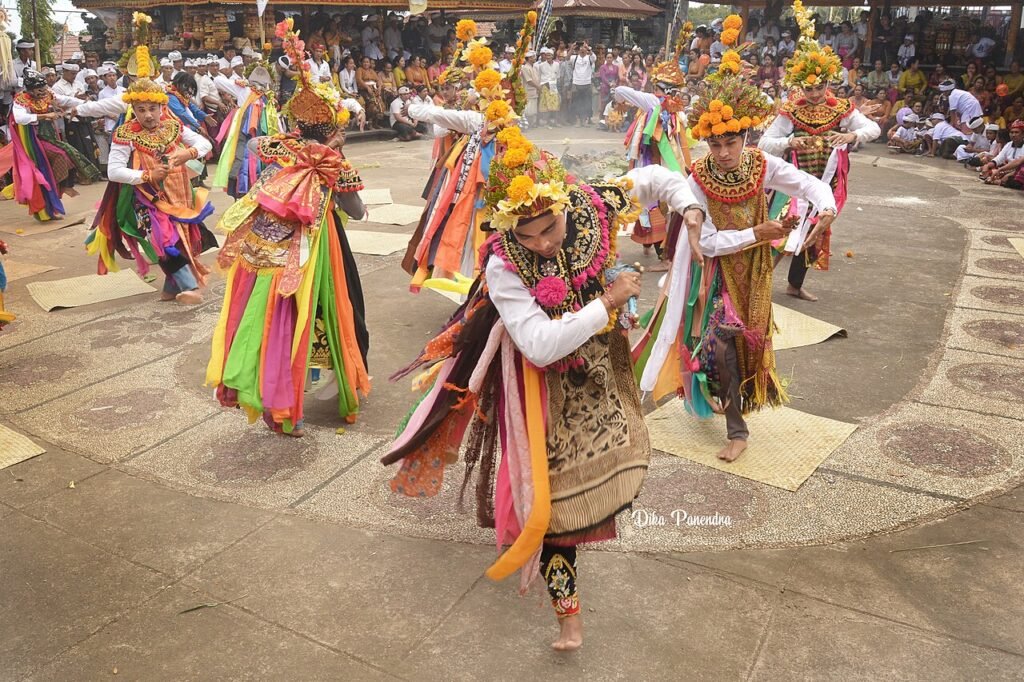
Cempaga Village is a cultural destination in the hills of Banjar district, Buleleng. Its strongest attraction is the continuity of local customs within a living community. Visitors interested in North Bali beyond beaches and waterfalls can use a hosted visit to learn how village identity is expressed through architecture, religious obligations and performance traditions.
Come with flexible expectations. Cempaga is a residential village whose important cultural activities follow community needs and religious calendars. The quality of a visit depends more on a knowledgeable local introduction than on finding a daily schedule of attractions.
Sacred dance and community life
Banjar district’s official accounts describe several sacred dances associated with Cempaga, including Jangkang, Rejang and forms of Baris. Their significance belongs to ceremonial practice and community participation. They should not be understood as interchangeable entertainment performances that visitors can request at any time.
If a ceremony coincides with your visit, ask whether guests may observe and where they should stand. A view that is convenient for a photograph may obstruct participants or a procession. Follow instructions concerning dress, photography and movement, and avoid using flash around dancers or worshippers unless expressly permitted.
A local guide can explain the distinction between watching a public cultural presentation and attending a sacred event. Do not promise yourself a particular dance before a host has confirmed the date and access. Even a visit without a performance can be informative when it includes an explanation of the community’s ceremonial responsibilities.
Walking through the village
A short village walk gives context to the cultural discussion. Homes, family compounds and everyday work show that heritage continues alongside contemporary life. Ask your host which features are appropriate to discuss or photograph, and let residents choose whether they want to take part in a conversation.
Where traditional buildings are included, remember that an architectural visit is also a visit to someone’s personal space. Do not enter courtyards independently or move objects to improve a picture. Visitors who need a route with fewer steps should request this in advance, since hillside lanes and thresholds can vary considerably.
Organising a useful cultural visit
Arrange a local contact before setting out. Explain whether your main interest is dance traditions, architecture, photography or a general village introduction. This helps the host design a visit that is meaningful and realistic for the day. Agree on the duration, meeting point and any guiding or demonstration charges.
Bring water, comfortable footwear and clothing suitable for a village setting. Carry a sarong if temple access is part of the confirmed plan, while following any additional local requirements. Rain can change walking conditions, so a light waterproof layer and protection for cameras or phones are sensible additions.
Allow unhurried time for explanations. A short introduction followed by questions can be more valuable than collecting images of every building. If buying refreshments or locally made goods, ask which businesses are open and welcome visitors rather than assuming a tourist market will be operating.
Connect Cempaga with nearby heritage
Cempaga can be considered alongside Sidatapa Village and Pedawa Village in a North Bali cultural route. Each has distinct stories and practices, so ask your guide to explain specific differences instead of relying on broad labels alone.
Lovina Beach provides a possible coastal base, while Banjar Hot Springs offers a different type of stop in the wider area. Check actual journey times with your driver and avoid compressing too many hill villages into one afternoon. A visit loses much of its value when every conversation must be cut short.
Frequently asked questions
Are sacred dances performed every day for visitors?
No daily performance should be assumed. Ask a village contact about the religious calendar and whether observation is appropriate on your travel date.
Is Cempaga suitable for independent visitors?
Independent travellers can arrange a visit, but local guidance adds context and helps establish which spaces welcome guests. Confirm a host rather than entering compounds without permission.
Can I photograph ceremonies?
Permission depends on the event and location. Ask first, keep clear of ritual activity and accept restrictions without trying to negotiate them during the ceremony.
Sources: Banjar district: Cempaga sacred dances; Cempaga village government.
Photo: Andika Panendra, Wikimedia Commons, CC BY-SA 4.0. No editorial changes by BaliFinder; display sizes may be generated.
