Manta Point
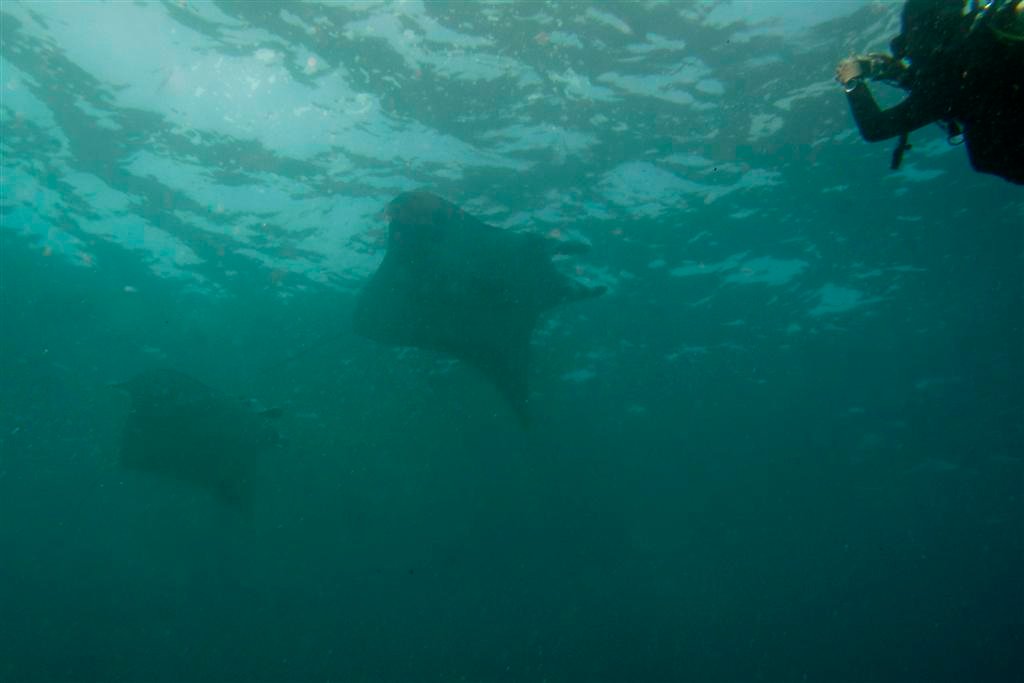
Photo: Andrepiazza / Wikimedia Commons, CC BY-SA 3.0. No editorial changes by BaliFinder; WordPress may generate display sizes. Source photograph dated 2011-09-29.

Kredit foto
1.
Photo: Andrepiazza / Wikimedia Commons, CC BY-SA 3.0. No editorial changes by BaliFinder; WordPress may generate display sizes. Source photograph dated 2011-09-29.
Butuh informasi?
Tanyakan rute, fasilitas, atau kunjungan melalui chat BaliFinder.
Chat admin BaliFinderTentang destinasi
Manta Point is a marine wildlife destination off Nusa Penida, known for encounters with reef manta rays. A visit is an ocean excursion rather than a conventional beach stop, and it should be planned around conditions, participant ability and responsible wildlife observation. The animals are free-ranging, so a meaningful trip begins with realistic expectations rather than a guaranteed sighting.
Why mantas use this area
The Marine Megafauna Foundation identifies Manta Point as a cleaning station used mainly by adult reef mantas and a place where courtship is observed. At a cleaning station, small fish remove material from the rays’ bodies. This gives the site an ecological purpose beyond the opportunity for people to see a large animal.
Understanding that purpose changes how to visit. The goal is to observe natural behaviour without interrupting it. An operator should explain where the group will remain and how to avoid occupying the animals’ route or the cleaning area.
Manta Point and Manta Bay are different
Manta Bay is a separate site with a different role, identified by researchers as a feeding area that may also function as a nursery. Tour descriptions sometimes use broad “manta snorkeling” language, so ask which location is planned and what alternatives may be used if conditions change.
Neither name guarantees a sighting. Do not choose an operator solely because a package promises an encounter or a fixed number of animals. A responsible trip should remain worthwhile through careful guiding, appropriate site choice and an explanation of the marine environment.
Choose the activity and operator carefully
Confirm whether the outing is snorkeling or scuba diving, what experience is required and how the group is supervised. Ask about equipment, the briefing, boat arrangements and the policy if sea conditions are unsuitable. Share your actual ability rather than assuming a wildlife tour is automatically appropriate for every swimmer.
The guide should assess the day’s conditions and be prepared to change the route. Do not pressure the crew to continue to a particular site because it was the main reason you booked. An alternative or cancellation may be the correct outcome for the day.
Give mantas space
The Manta Trust’s responsible-tourism guidance is designed to reduce disturbance during encounters. Follow your guide’s briefing, avoid touching or chasing animals, and leave their movement unobstructed. If a ray approaches, do not turn the moment into a pursuit for a closer image.
Photographers should prioritise calm observation and control over equipment. A wide view of an animal behaving naturally is more valuable than an image obtained by crowding it. Keep off coral and do not surround a manta with other swimmers or divers.
Organise the day around the ocean outing
Confirm the exact departure point and time with your operator; trips may be arranged from different island bases. Allow for the briefing, travel by boat and return, rather than attaching a distant clifftop tour to the expected finish. Keep onward ferry connections flexible.
If your group has mixed interests or abilities, a land-based day around Crystal Bay or other island viewpoints may suit some members better. A road viewpoint labelled Manta Point is not the same booking as an in-water excursion. Clarify the experience before paying so everyone understands what the day involves.
Photo: Andrepiazza / Wikimedia Commons, CC BY-SA 3.0. No editorial changes by BaliFinder; WordPress may generate display sizes. Source photograph dated 2011-09-29.