Gunung Kawi Tampaksiring
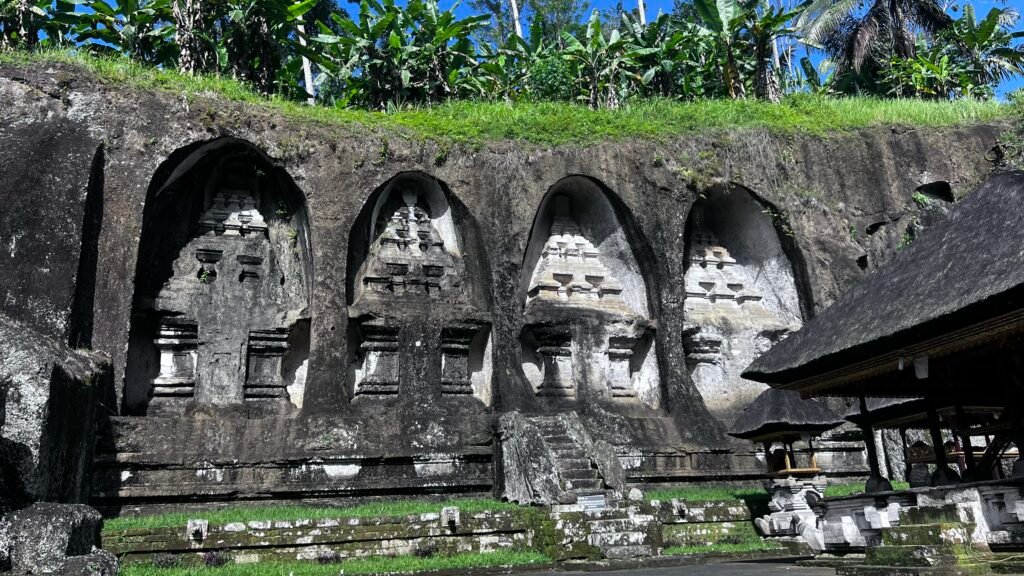
Photo: www.Pinterpandai.com / Wikimedia Commons, CC BY 3.0. No editorial changes by BaliFinder; WordPress may generate display sizes. Source photograph dated 2022-08-21.

Kredit foto
1.
Photo: www.Pinterpandai.com / Wikimedia Commons, CC BY 3.0. No editorial changes by BaliFinder; WordPress may generate display sizes. Source photograph dated 2022-08-21.
Butuh informasi?
Tanyakan rute, fasilitas, atau kunjungan melalui chat BaliFinder.
Chat admin BaliFinderTentang destinasi
Gunung Kawi Tampaksiring is an archaeological and religious site in the Pakerisan River valley north-east of Ubud. Its most distinctive features are large shrine forms carved directly into the rock face. The descent into the valley is part of the experience, but so is the climb back out, making physical preparation an important part of planning.
The rock-cut shrines
The complex is associated with Bali’s ancient royal history, particularly the Warmadewa dynasty and the family of King Udayana. Gianyar’s tourism office connects it with Anak Wungsu and with religious practice around the Pakerisan. Interpretations of individual memorials vary, so a guide should distinguish historical evidence from local tradition and later explanations.
Look at how the carved forms imitate built architecture while remaining part of the cliff. The relationship between niches, vertical rock and river setting is what makes the site unusual. A wide view helps you understand the arrangement before you concentrate on smaller details.
Plan for the descent and return
Reaching the principal complex involves hundreds of steps. The journey down can feel easier than the return climb, especially in humid weather. Allow energy and time for both directions and take breaks before you are exhausted. If stairs are unsuitable for you, ask about what can be seen from accessible areas before buying admission.
Wear shoes with grip and carry drinking water. After rain, steps and shaded surfaces may be slippery. Keep one hand available where a handrail exists, and avoid carrying a large bag that affects balance. A cooler part of the day can make the walk more comfortable, but current opening hours should guide your arrival.
A living sacred setting
The site remains connected with worship and holy water, rather than functioning only as an archaeological exhibit. Wear the required sarong and sash and follow the entrance instructions. Ceremonies may affect which areas are open, and religious activity takes precedence over a visitor’s preferred route.
Keep voices low, step around offerings and do not climb on carved shrines or restricted platforms. Ask before photographing people at prayer. The river is part of a sacred landscape, not an invitation to swim or enter water wherever it looks convenient.
How to make the visit meaningful
Begin with the overall arrangement of the valley and shrine groups. Then choose a few details to examine: the outline of a niche, a carved architectural element or the transition between an ancient feature and an active temple area. This gives the visit structure without turning it into a hurried search for every possible photograph.
A knowledgeable local guide can explain the historical context and help distinguish the site from other places sharing the Gunung Kawi name. Agree on the guiding fee and duration first. Ask which claims are documented and which belong to oral tradition if you are interested in the archaeology.
Nearby sites and practical planning
Tirta Empul Temple is a natural companion in the Tampaksiring area. Gunung Kawi Sebatu Temple is a different destination, known for its spring and temple setting in Sebatu. Use the full name “Gunung Kawi Tampaksiring” when arranging transport so that the two are not confused.
Check current ticket categories, sarong arrangements and last entry at the official counter or current visitor channel. Do not add several demanding walks to the same day without considering the return climb here. Save your pickup point and allow time to move past the access-area shops without rushing.
Is this the same temple as Gunung Kawi Sebatu?
No. Tampaksiring is the cliff-shrine complex in the Pakerisan valley; Sebatu is a separate water-temple destination.
Is the walk suitable for everyone?
The hundreds of steps can be demanding. Assess your mobility and fitness, and ask about current conditions before descending.
Sources: Gianyar tourism office: site history and Indonesia Travel: cliff shrines and access.
Photo: www.Pinterpandai.com / Wikimedia Commons, CC BY 3.0. No editorial changes by BaliFinder; WordPress may generate display sizes. Source photograph dated 2022-08-21.