Tirta Empul Temple
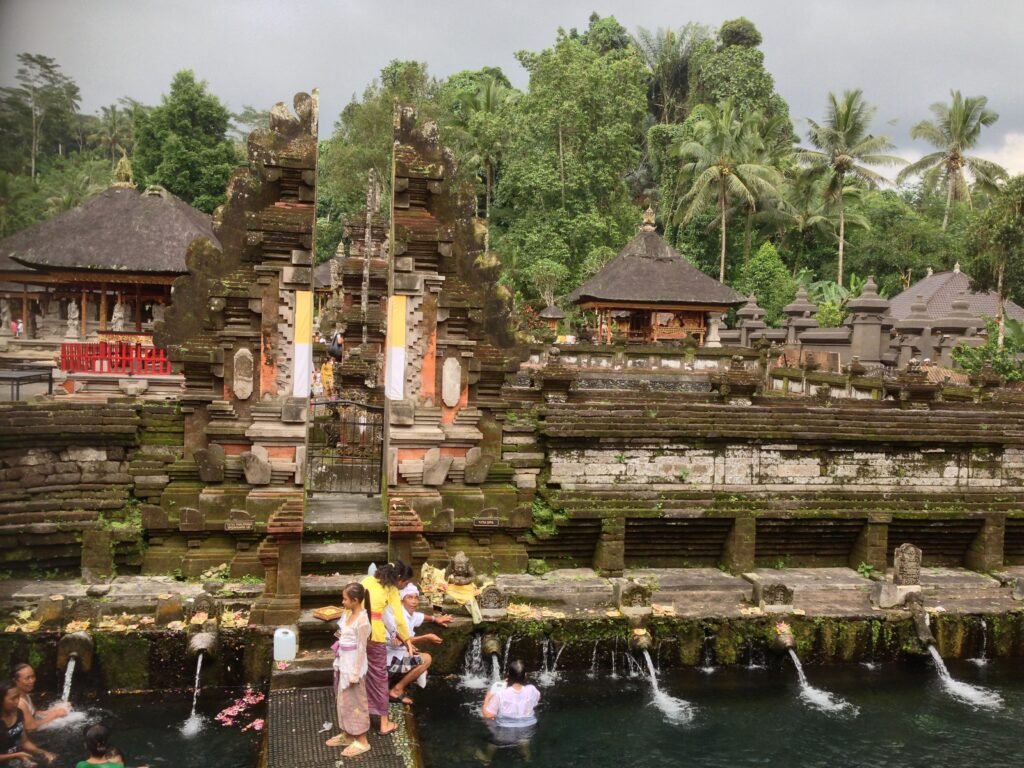
Tirta Empul Temple in Manukaya, Tampaksiring, is known for the spring water that feeds its ritual purification pools. Visitors come to understand the temple’s religious setting, see its architecture and, where permitted, participate in melukat. The pools are part of a sacred practice, not a swimming attraction.
Decide before you arrive whether you want to observe the temple or ask about joining a purification ritual. Both can be meaningful ways to visit, but they require different preparation and amounts of time. A sightseeing stop should not assume that participation is compulsory.
Understanding melukat at Tirta Empul
Melukat is a Balinese Hindu purification ritual. The meaning of the water and the use of particular spouts belong to that religious tradition. Ask an authorised attendant or knowledgeable local guide to explain the current procedure rather than copying the person in front of you. Some spouts have specific ceremonial purposes and are not used for general purification.
Treat accounts of spiritual cleansing as religious belief, not as a medical promise. You can respectfully learn about the practice without claiming that a visit produces a particular personal outcome. Give worshippers space and avoid interrupting a prayer or ritual to request a photograph.
Exploring the temple grounds
The complex includes successive courtyards, gateways and the spring-water setting. Take time to look at the architecture and the way different spaces are used. Access to a courtyard or shrine may depend on the activity taking place, so follow the signs and the directions of temple staff rather than treating the whole complex as freely accessible.
Photography is best approached with restraint. Ask permission before photographing someone closely, especially in the purification pools. A wider photograph of permitted architecture can record your visit without turning another person’s religious practice into a spectacle.
Clothing and practical preparation
Wear modest clothing and follow the temple’s sarong and sash requirements. If you hope to enter the pools, bring a change of clothes and a separate bag for wet items. Confirm where to change, what may be taken into the water and whether different garments are needed for the ritual and the dry temple areas.
Ask about admission, garment hire, lockers and guiding separately. A quoted tour price may include some of these services and exclude others. The visitor information available online gives differing ticket figures, so this guide does not present an uncertain amount as a current tariff. Use the authorised ticket point or confirm directly before departure.
Location and a manageable itinerary
Tirta Empul is in Tampaksiring, Gianyar Regency, north of central Ubud. Arrange a clear pickup point and allow extra time if your visit includes the pools. A queue, ceremony or change of clothes can make this a longer stop than a simple architectural visit.
Gunung Kawi Tampaksiring adds a different temple and archaeological experience in the same broader area. Gunung Kawi Sebatu Temple is another separate site; the similar names can cause confusion when arranging transport. For a varied day, choose one additional temple or Ceking Tegallalang Rice Terrace, rather than filling the route with more stops than you can enjoy.
Frequently asked questions
Must I enter the purification pools?
No. You can visit to learn about the temple and observe from permitted areas. Participation should be a considered choice made with local guidance.
Can non-Hindu visitors take part?
Indonesia Travel describes participation by non-Hindu visitors subject to local requirements. Ask the attendants about eligibility and the procedure on the day, and respect any restrictions.
Sources: Indonesia Travel: Tirta Empul; Tirta Empul holy springs guide.
Photo: Saranabhi / Wikimedia Commons, CC BY-SA 3.0. Original photograph; no editorial alterations. Display sizes may be generated by WordPress.
