Gunung Kawi Sebatu Temple
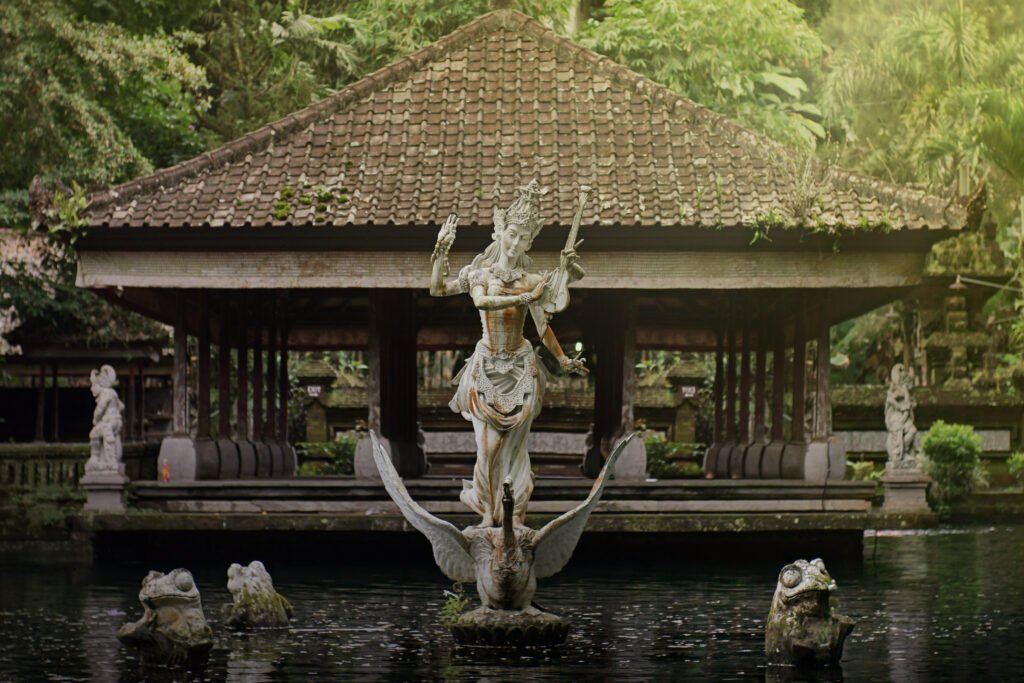
Photo: Anggabuana / Wikimedia Commons, CC BY-SA 4.0. No editorial changes by BaliFinder; WordPress may generate display sizes. Source photograph dated 2022-11-19.

Photo credits
1.
Photo: Anggabuana / Wikimedia Commons, CC BY-SA 4.0. No editorial changes by BaliFinder; WordPress may generate display sizes. Source photograph dated 2022-11-19.
Questions about this place?
Ask about access, facilities or your visit in BaliFinder chat.
Chat with BaliFinderAbout this destination
Gunung Kawi Sebatu Temple is a Hindu temple and spring setting in Sebatu, in Gianyar’s Tegallalang district. It is a separate destination from the cliff-cut memorials at Gunung Kawi Tampaksiring. Visitors come for the relationship between water, gardens and sacred architecture, making a slow and respectful visit more appropriate than a quick photograph circuit.
Water and the temple’s meaning
Gianyar’s tourism office connects the temple’s traditions with Rsi Markandeya and describes its dedication in relation to Vishnu and the goddess Gangga. These accounts belong to religious and local tradition. They should be understood as part of the temple’s cultural meaning rather than treated as a scientifically verified account of a spring’s origin.
The same official description links the spring with nearby agricultural irrigation and subak communities. This makes the water setting especially interesting: it has religious significance and a practical relationship with the landscape around it. Looking at the temple only as an ornamental garden misses that wider connection.
What to notice during a visit
Begin with the layout of the permitted visitor areas. Notice how water channels, ponds and buildings relate to one another, and how reflections change as you move. Keep to marked paths and do not assume a pool is intended for bathing simply because water is visible and accessible.
A quiet pause can reveal details that are easy to miss in a rushed visit, such as the sound of moving water or the way a gateway frames a shrine. Take photographs from stable public positions and avoid leaning over pool edges or stepping onto planted borders for a better angle.
Worship and visitor etiquette
Bring or wear suitable temple clothing, including a sarong and sash as required locally. Follow the entrance instructions and ask which areas are open to non-worshipping visitors. A ceremony can change the route or limit access, and that should be accepted as part of visiting a living place of worship.
Do not interrupt prayer, touch offerings or use sacred structures as seating. If you are interested in a purification practice, ask the temple attendants about the appropriate place, procedure and eligibility. Do not copy another visitor’s actions without understanding their purpose, and do not treat spiritual claims as medical treatment advice.
Planning around Sebatu
The broader Sebatu tourism-village listing identifies several sacred springs and cultural activities. They are separate places and programmes, not automatically included in a ticket for Gunung Kawi Sebatu. Confirm the exact name and location if a tour offers “Sebatu purification” or another water-based experience.
A guide can help explain the connection between the temple, community and irrigation landscape. Agree on the scope and cost before starting. If your interest is mainly architecture and water scenery, a straightforward temple visit may be enough without adding a ritual or workshop.
Practical details and nearby stops
Check current opening arrangements, admission and sarong provision before travelling. Wear footwear suitable for damp surfaces and take care around steps. Bring water for yourself, but keep food and drinks away from sacred areas. Ask about accessible routes if changes of level are difficult for your group.
Gunung Kawi Tampaksiring and Tirta Empul Temple can provide comparisons within a broader Gianyar temple itinerary. Taro Village offers a different rural and cultural context farther north. Choose only a few stops and allow time to understand each rather than visiting several water temples as though they were interchangeable.
Are the famous cliff-cut shrines here?
No. Those are at Gunung Kawi Tampaksiring. Use the full destination name when arranging your journey.
Can visitors enter every pool?
No. Follow the temple’s instructions; ornamental, sacred and permitted bathing areas should not be confused.
Sources: Gianyar tourism office: temple and water context and Indonesian tourism ministry: Sebatu tourism village.
Photo: Anggabuana / Wikimedia Commons, CC BY-SA 4.0. No editorial changes by BaliFinder; WordPress may generate display sizes. Source photograph dated 2022-11-19.