
Bayung Gede Village
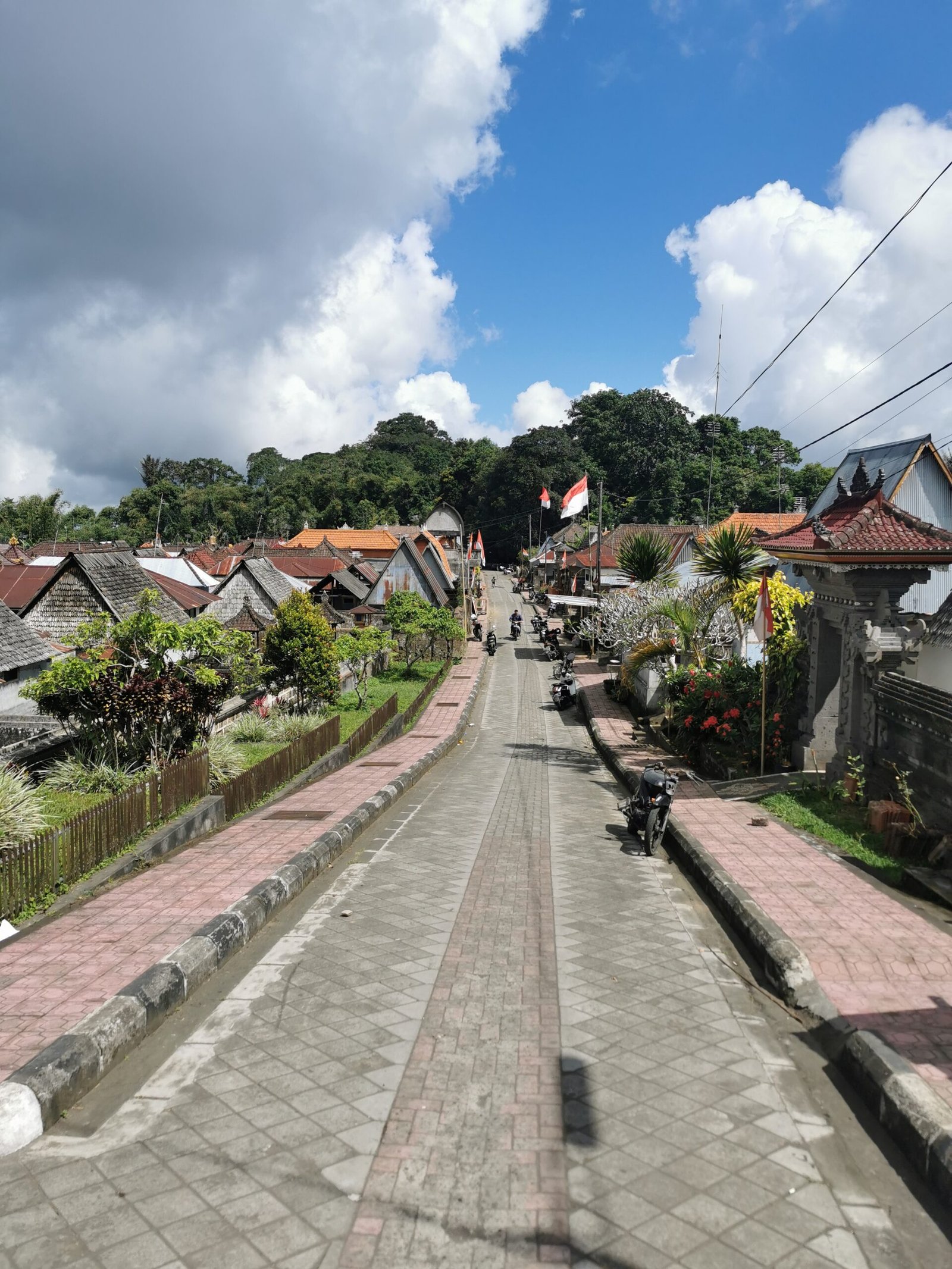
Photo: Germartin1 / Wikimedia Commons, CC BY-SA 4.0. No editorial changes by BaliFinder; WordPress may generate display sizes. Source photograph dated 2022-08-07.

Bayung Gede is a living village in Kintamani, Bangli, where a cultural visit is most rewarding when arranged around local explanation and permission. It is not a set of empty traditional buildings waiting for visitors. People’s homes, religious practices and everyday routines remain central, so arrive with an interest in learning rather than an expectation that every space or custom will be available to photograph.
A village with its own identity
The village government’s official information places Bayung Gede in Kintamani and documents contemporary community life alongside heritage. That combination is useful to remember: a village can maintain distinctive customs while also running schools, health activities, administration and ordinary family life. Avoid describing residents as people living outside the present day.
A local host can help explain the settlement and the relationship between household spaces and shared areas. Ask which parts of a walk are public and where permission is required. If architecture is your main interest, request an explanation of how buildings are used rather than assuming their purpose from their appearance.
Understanding the ari-ari tradition
Bayung Gede’s official village site identifies its tradition of hanging ari-ari, or placentas, as intangible cultural heritage. This is a community practice connected with birth and belief. It should be approached with care and explanation, not presented as a shocking spectacle or an unusual prop for social media.
Ask whether a visit to the associated area is appropriate on your date and whether a local guide should accompany you. Follow restrictions on touching, entry and photography. Do not disturb containers, trees or offerings, and avoid asking families to stage or repeat anything for a photograph. A respectful account from a knowledgeable resident can be more valuable than close-up images.
Arrange the visit before travelling
Contact a local host or the village administration through an official channel to clarify whether a guided introduction can be organised. Ask about language, meeting point, duration and payment. If you are travelling with a driver, make sure the driver understands the exact meeting point rather than simply dropping you beside a general village sign.
Confirm whether your visit involves walking only or entry into a permitted household or cultural area. These are different experiences, and neither should be assumed from a vague village-tour description. If no host is available, limit yourself to clearly public areas and do not improvise a tour through private compounds.
Practical behaviour and preparation
Choose modest, comfortable clothing and shoes suitable for village lanes. Carry water, rain protection and a light layer for a highland outing. Keep your group compact so that people can continue using roads and entrances. Ask before taking portraits and respect a refusal without negotiation.
Support local services through agreed purchases or guide fees, rather than handing gifts to children or photographing residents in exchange for small payments. If buying a craft or food product, ask about its maker and origin. These conversations can make a visit more personal while allowing residents to decide how they wish to participate.
Combine the village thoughtfully
Penelokan and Batur Geopark Museum can add landscape and geological context to a Kintamani day. Penglipuran Village offers another settlement experience, but the two villages should not be treated as interchangeable examples of one fixed culture. Choose enough time to understand each place on its own terms instead of rushing between them for matching photographs.
Is Bayung Gede a museum village?
No. It is a contemporary residential community with living traditions. Visitor access depends on the space and local arrangements.
Is the ari-ari tradition a daily visitor performance?
No. It is a cultural practice associated with family and community life, not an activity that visitors should expect to be staged.
Sources: Bayung Gede village government: community information and cultural heritage.
Photo: Germartin1 / Wikimedia Commons, CC BY-SA 4.0. No editorial changes by BaliFinder; WordPress may generate display sizes. Source photograph dated 2022-08-07.