
Neka Art Museum
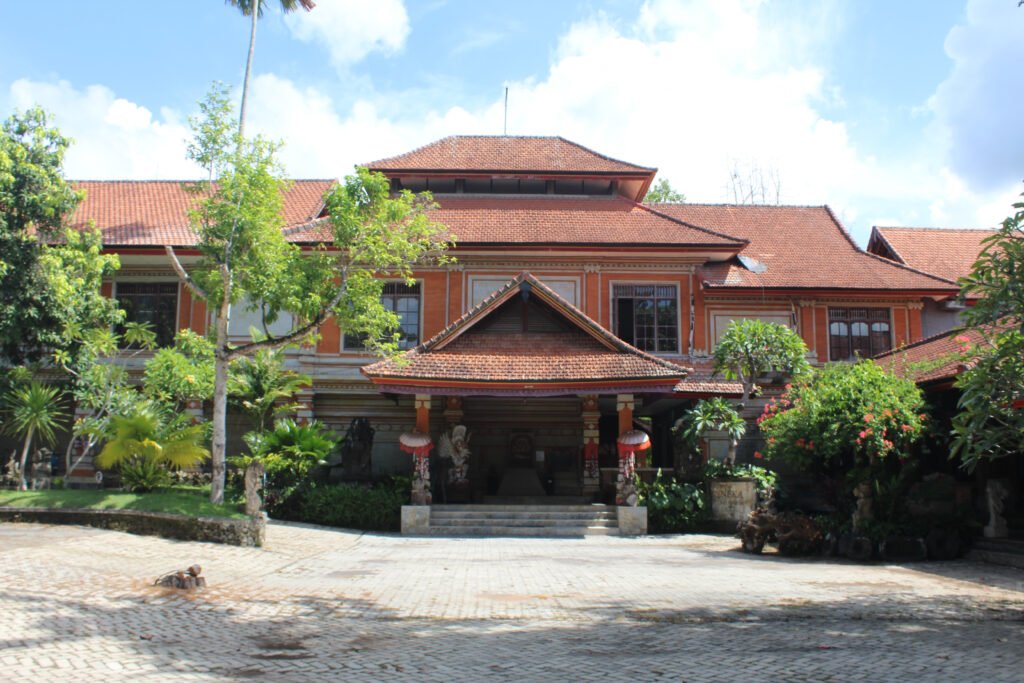
Neka Art Museum is a collection-focused destination in the Sanggingan area of Ubud. Its pavilions bring together Balinese painting, work by other Indonesian and international artists, photography and keris. The range makes it particularly useful if you want to understand artistic differences rather than see only one painter’s career.
A museum with several perspectives
The museum’s official account identifies Pande Wayan Suteja Neka and Ni Gusti Made Srimin as its founders and records its public inauguration in 1982. It also describes later changes to the display and information systems. A visit today should therefore follow the current gallery layout rather than an old guidebook’s room-by-room route.
Begin by checking the available map or asking staff how the collection is arranged. Choose a few priorities if your time is limited. Looking carefully at three pavilions can be more rewarding than rushing through every room and remembering only a list of names.
Balinese painting and individual artists
The official collection overview distinguishes classical wayang, Ubud and Batuan painting traditions. It also identifies pavilions associated with Lempad and Arie Smit. These labels can help organise your visit, but the works themselves deserve attention as individual artistic decisions.
Compare the density of a composition, the treatment of a figure and the use of colour. Ask whether the scene invites you to follow a story, admire a pattern or respond to a mood. Taking a few notes about one work from each area can help you see differences without needing to memorise art-historical terminology.
Indonesian art, photography and keris
Neka’s official website includes an Affandi pavilion, an Indonesian contemporary painting section and a photography collection associated with Robert Koke. It also describes a keris pavilion. This variety allows a visit to move between media and between different ways of representing or making culture.
A photograph can be read as a historical viewpoint rather than a transparent record of everything that happened. A keris can be considered through craftsmanship and context, rather than only as a weapon. Read the accompanying interpretation and ask staff if you need help understanding how these collections relate to the paintings.
Give the galleries enough time
Pause between pavilions and return to a work if it becomes more interesting after seeing something else. A useful personal route might compare line drawing, a colourful landscape and a photograph, then finish with the keris display. This keeps the visit focused while still showing the museum’s range.
Follow photography restrictions and avoid placing bags near artworks or display cases. If travelling with children, choose a small number of objects and invite them to describe what they see. A shorter attentive visit is often better than extending the outing until everyone is tired.
Current practical planning
The museum’s official website, checked for this guide, lists daily visiting hours of 9am to 5pm. Confirm any holiday changes and the current admission category before travelling, particularly if you need a student or child ticket. Ask about accessible routes through the pavilions if stairs or slopes would be difficult.
Use the Sanggingan museum address when arranging transport. Museum Puri Lukisan is a different institution in central Ubud. Blanco Renaissance Museum and Campuhan Ridge Walk offer other experiences in the broader Campuhan area, but they should be planned as separate stops with their own access and weather considerations.
Is Neka only a museum of traditional Balinese painting?
No. Its collection also includes other Indonesian and international artists, photography and keris, according to its official overview.
Can I see every named artwork on the website?
Displays may change. Contact the museum if a specific work is the main reason for your visit.
Sources: Neka Art Museum official collection and visitor information and Indonesia Travel: museum context.
Photo: Harditaher / Wikimedia Commons, CC BY-SA 4.0. No editorial changes by BaliFinder; WordPress may generate display sizes. Source photograph dated 2020-02-08.
