
Museum Puri Lukisan
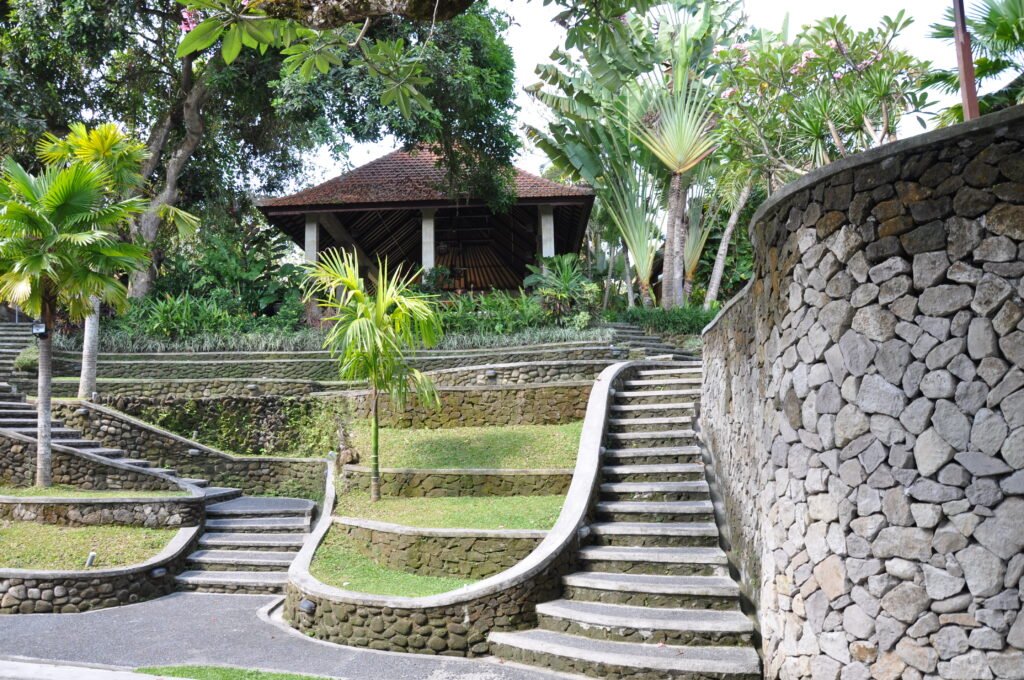
Museum Puri Lukisan is an art museum on Jalan Raya Ubud, making it a convenient cultural stop within the town centre. Its focus on Balinese painting and carving gives visitors a way to look beyond souvenir displays and understand art as a developing local practice. Allow time to read labels and compare works rather than treating the galleries as a quick detour between shops.
Why the museum was created
The museum’s own account describes concern that significant Balinese artworks were leaving the island as their reputation grew. Preserving works locally and supporting artistic development were central motivations. The national museum registry records its inauguration in 1956, giving it a long place in Ubud’s cultural life.
This history is useful when viewing the collection. A museum can preserve examples of change as well as continuity: artists respond to patrons, materials, other artists and their own interests. Looking for those differences is more revealing than assuming every painting expresses one timeless “Balinese style.”
A way to explore the collection
Begin with the introductory information and choose a few works that catch your attention. Compare how each artist arranges figures, space and narrative. A dense scene may reward slow looking, while a drawing can convey movement through only a few decisive lines. Read the title after forming your own first impression, then see whether it changes what you notice.
The museum’s collection information discusses artists including I Gusti Nyoman Lempad and Anak Agung Gde Meregeg. If you encounter their work, use the labels to connect the image with the named maker. Recording names is a good habit: it keeps artists from disappearing behind a generic idea of island decoration.
Painting and carving together
Where sculpture or carving is displayed, consider how the maker directs attention through shape and surface rather than through a flat picture. Look from the positions allowed by the gallery and avoid touching even if an object appears robust. A close look does not require physical contact.
For families, ask each person to choose one work and explain what they noticed first. This can make the visit more engaging than attempting to cover every room at the same speed. There is no requirement to understand every story before appreciating the skill and choices visible in a work.
Workshops and exhibitions
The museum advertises exhibitions and art-and-culture workshops, but the current programme should be checked before planning around one. Ask whether a workshop is available on your date, what materials are included and whether advance booking is required. A listing on a website does not necessarily mean an activity runs continuously throughout the day.
For a specialist visit, contact the museum about the artists or objects you hope to study. Collection pages and past exhibition announcements are not a guarantee that a particular work is currently displayed. Confirm photography rules and avoid flash or tripods unless expressly permitted.
Planning an Ubud visit
Check current opening hours, admission and holiday closures through the museum before setting out. Wear comfortable shoes for moving between the grounds and galleries, and carry water for the outdoor portions. Keep food and drinks away from artworks and ask about accessibility if steps would affect your route.
Saraswati Temple Ubud, Ubud Palace and Ubud Art Market can form a compact central-Ubud itinerary. Each has different access arrangements, so allow time to pause between them. If you want a second museum, Neka Art Museum provides another collection-based perspective but requires a separate journey towards Sanggingan.
Is this a gallery where everything is for sale?
It is a museum with a preservation and educational purpose. Any shop or separate sales activity should be distinguished from the museum collection.
Do I need an art background?
No. Comparing a few works and reading their labels is enough to begin an interesting visit.
Sources: Museum Puri Lukisan official website, Museum collection notes and Indonesian culture ministry: museum registry.
Photo: Jorge Láscar from Melbourne, Australia / Wikimedia Commons, CC BY 2.0. No editorial changes by BaliFinder; WordPress may generate display sizes. Source photograph dated 5.
.jpg)