Yeh Pulu Relief
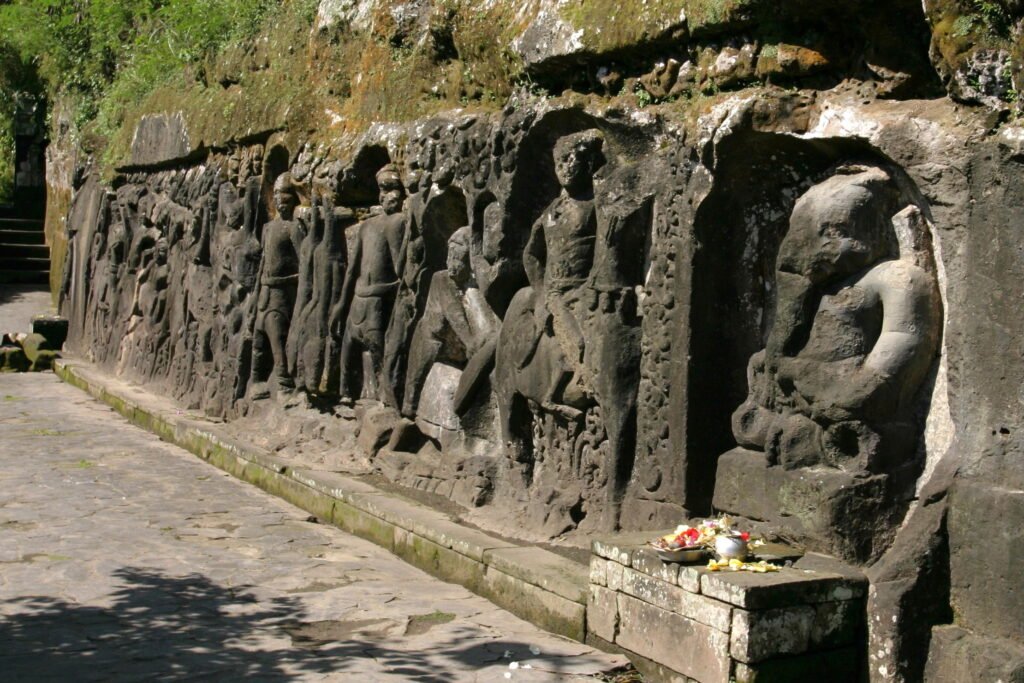
Photo: Hiyotchi / Wikimedia Commons, CC BY-SA 4.0. No editorial changes by BaliFinder; WordPress may generate display sizes. Source photograph dated 2009-09-24.

Kredit foto
1.
Photo: Hiyotchi / Wikimedia Commons, CC BY-SA 4.0. No editorial changes by BaliFinder; WordPress may generate display sizes. Source photograph dated 2009-09-24.
Butuh informasi?
Tanyakan rute, fasilitas, atau kunjungan melalui chat BaliFinder.
Chat admin BaliFinderTentang destinasi
Yeh Pulu Relief is an archaeological destination in Bedulu, Gianyar, where a long sequence of figures is carved into a rock face. It offers a different experience from a large temple courtyard: the main attraction rewards close observation of gestures, tools, animals and relationships between figures. The surrounding rural landscape adds context without replacing the importance of the carving itself.
What makes the relief distinctive?
Gianyar’s tourism office describes a carved sequence extending for roughly 25 metres and associates it with the fourteenth century through archaeological interpretation. The figures include scenes that appear connected with ordinary activity, carrying, riding and interaction with animals. Their scale and directness invite visitors to look slowly along the surface.
The official account also acknowledges uncertainty about the complete story represented. That is worth preserving. A guide may offer an interpretation, but the relief should not be presented as a single fully settled narrative when the evidence leaves room for discussion.
A way to read the carving
Start at one end and follow the sequence rather than jumping immediately to the most photographed figure. Notice where a body turns, where an object is carried and how one scene appears to relate to the next. Then step back, where permitted, to consider the entire arrangement.
Try describing what you can actually see before deciding what it means. “A figure carrying an object” is an observation; naming the person and explaining the event may require further evidence. This simple distinction makes the visit more interesting and protects it from becoming a string of unexamined legends.
Protecting the stone
The relief is part of a rock surface exposed to environmental conditions. Do not touch, trace, rub or lean against it, even if a detail seems difficult to see. Never apply water, powder or another substance to improve a photograph. A respectful distance and changing your viewing angle are safer ways to examine the carving.
Stay on the permitted route and avoid stepping into planted or cultivated land around the site. If a barrier or section closure limits access, accept the view available. Conservation sometimes means leaving a detail less accessible so that it survives for future visitors.
Landscape and local context
The tourism office places Yeh Pulu in Banjar Batulumbang, Bedulu, within a wider area of archaeological sites. Its rural approach can help visitors connect the carving with a living agricultural landscape. Rice fields change with the season and work cycle, so do not expect the same colours shown in every promotional photograph.
If a walking connection to another site is offered, confirm the route with a local guide and check present access. Older descriptions of heritage trails are not proof that every path remains public, maintained or suitable after rain. Agree on the duration, terrain and fee before starting a longer walk.
Practical planning
Check current entry arrangements and wear footwear with grip for damp or uneven paths. Bring water and sun protection, while keeping your bag small enough to move comfortably near the relief. Ask about accessibility before visiting if steps or narrow paths would be difficult.
Goa Gajah and Samuan Tiga Temple make useful comparisons around Bedulu. Kebo Edan Temple and Penataran Sasih Temple add different forms of archaeological heritage in Pejeng. A focused visit to two sites with explanation is often more rewarding than a long checklist of brief stops.
Does the relief tell one clearly identified story?
Its interpretation is not completely settled. Enjoy the visible details and ask guides to distinguish evidence from proposed explanations.
Can I touch the carving to understand its shape?
No. Keep hands and belongings away from the stone; close looking should not damage the surface.
Sources: Gianyar tourism office: Yeh Pulu relief and interpretation and Journal of Education and Culture: research on Yeh Pulu’s religious meaning.
Photo: Hiyotchi / Wikimedia Commons, CC BY-SA 4.0. No editorial changes by BaliFinder; WordPress may generate display sizes. Source photograph dated 2009-09-24.