Tenganan Dauh Tukad
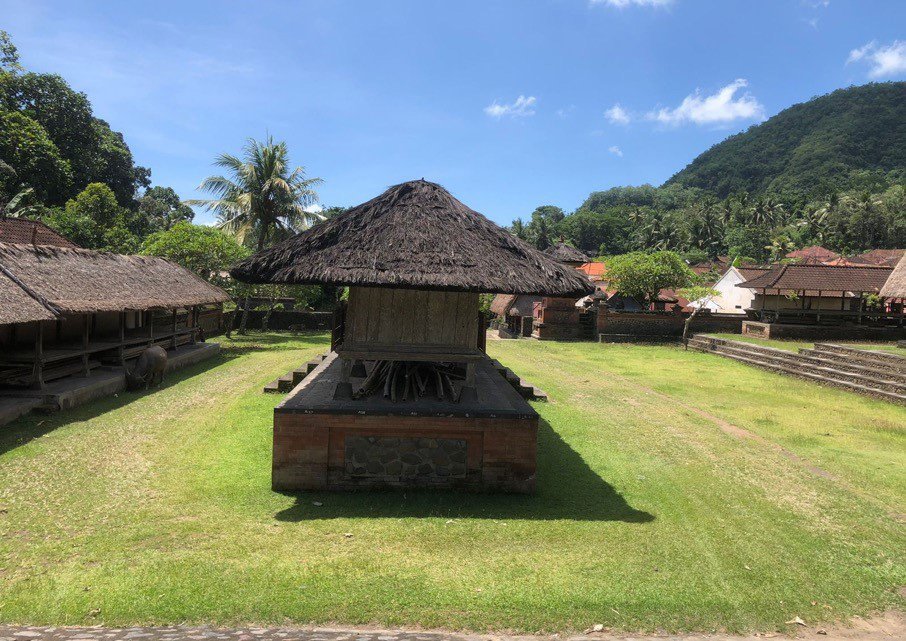
Kredit foto
1. Pura Bale Agung, Tenganan Dauh Tukad (2022). Foto: I Komang Gede Santhyasa, Jurnal Kajian Bali, Photo 2, CC BY 4.0.
Butuh informasi?
Tanyakan rute, fasilitas, atau kunjungan melalui chat BaliFinder.
Chat admin BaliFinderTentang destinasi
Tenganan Dauh Tukad is a cultural community in the Tenganan area of Manggis, Karangasem. It has its own identity and ceremonial traditions, so a visit should be planned more precisely than a general request to see “Tenganan village.” A locally guided introduction is useful for understanding the settlement and the community’s customs without confusing them with those of neighbouring Tenganan Pegringsingan.
Recognise the distinction
Tenganan Pegringsingan is the village most often associated with geringsing textiles in broad tourism descriptions. Dauh Tukad is separately named in government cultural records. If you are booking for a particular ceremony, house visit or guide, confirm which community is involved and use the exact meeting point.
Do not assume that one admission arrangement or guide automatically covers both places. Ask how the visit is organised, which areas are public and what can be explained on your chosen date. A clear plan prevents arriving with expectations based on photographs from somewhere else.
Mesabat-sabatan biu
Karangasem’s tourism office documents mesabat-sabatan biu, a ceremonial tradition involving bananas, as part of Usaba Katiga in Dauh Tukad. Its account emphasises community bonds and the role of young men within a wider ritual sequence. Understanding that context is more useful than treating the event as a novelty contest.
The ceremony follows a local calendar and is not an activity staged whenever a tour arrives. Check the current date and visitor arrangements with the community. Historical descriptions of its stages explain cultural meaning but should not be used as instructions for visitors to participate or recreate it.
Observe ceremonies on local terms
If guests are welcomed, ask where to stand and which parts may be photographed. Keep routes clear and stay out of the participants’ working space. Do not encourage more dramatic action for a photograph, and avoid using a ceremonial gathering as a background for unrelated poses.
Wear clothing appropriate to the event and follow guidance about religious areas. A ceremony can change access to parts of the village, so be prepared for a different route or a shorter visit. Respectful observation includes accepting that some moments or spaces are not for visitors.
Visiting on an ordinary day
A village walk can still be worthwhile without a major ceremony. Ask a local host about settlement layout, communal buildings and the contemporary life of the community. Choose a manageable route and allow time for explanation rather than trying to enter every lane or compound.
Homes remain private even when their architecture interests you. Ask before entering or taking close portraits, and do not photograph children without appropriate consent. If a household offers a product or activity, clarify the price and scope before participating.
Plan the wider day
Candidasa Beach offers a nearby coastal setting, while Tenganan Pegringsingan can provide a separate cultural comparison if you have enough time and a host for each. Keep their histories and practices distinct rather than presenting both as one uniform “traditional village” experience.
Arrange transport and a return meeting point in advance. Comfortable footwear, water and modest clothing are useful for a village walk. If your main interest is a particular ritual, make the rest of the itinerary flexible enough to follow the community’s timing instead of pressing the event to fit a tourist schedule.
Is a ceremonial event guaranteed every day?
No. Ask about the current local calendar and whether observation is appropriate on your date.
Can I use a generic Tenganan booking for this visit?
Confirm first. The name can refer to different communities, and the exact destination matters.
Sources: Karangasem tourism: Dauh Tukad’s mesabat-sabatan biu tradition and Warmadewa University: community tourism work in Dauh Tukad.