Sibetan Village
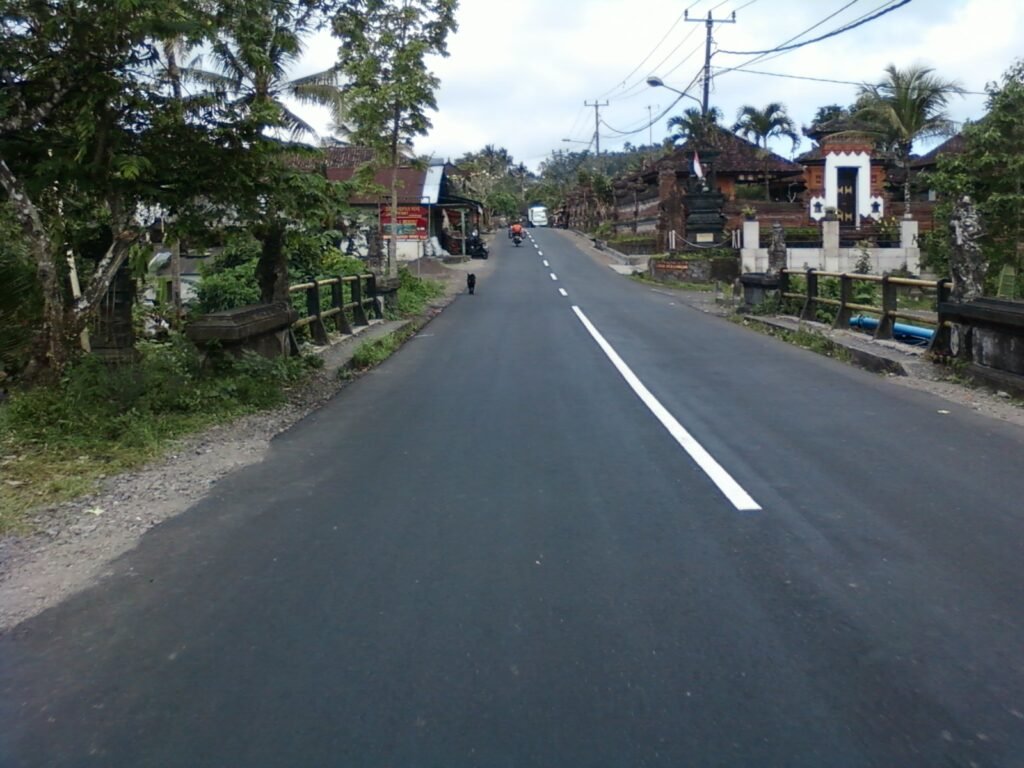
Photo: Adimelali Bali / Wikimedia Commons, CC BY-SA 3.0. No editorial changes by BaliFinder; WordPress may generate display sizes. Source photograph dated 2012-07-28.

Photo credits
1.
Photo: Adimelali Bali / Wikimedia Commons, CC BY-SA 3.0. No editorial changes by BaliFinder; WordPress may generate display sizes. Source photograph dated 2012-07-28.
Questions about this place?
Ask about access, facilities or your visit in BaliFinder chat.
Chat with BaliFinderAbout this destination
Sibetan Village in Bebandem, Karangasem, is closely associated with salak, the fruit often called snake fruit because of its scaly skin. A visit offers a chance to connect an everyday food with the place and work behind it. Arrange an orchard introduction or tasting with a local host so that the experience goes beyond buying a bag of fruit beside the road.
Why salak matters here
Karangasem’s tourism office identifies Sibetan as a major producing area for Balinese salak and describes several locally recognised varieties. The village’s agricultural identity is therefore more specific than a generic fruit-garden stop. Ask your host which varieties are grown in the orchard you visit and how they differ in texture and flavour.
The fruit also appears in processed products such as sweets and syrups. A tasting can be a useful way to understand how growers and small producers use the harvest. Check what is made locally rather than assuming every product on a display comes from the same orchard.
Choose a hosted orchard visit
Ask what the visit includes: a guided walk, explanation of cultivation, tasting, harvesting when available or a meal. These are different services, and seasonal conditions affect what can be offered. A tourism listing mentioning fruit picking does not guarantee ripe fruit on every tree during every visit.
Confirm the meeting point, duration, language and price before arriving. If you are travelling with children or someone with limited mobility, ask about path surfaces, slopes and resting places. Working plantations are not always laid out like a paved visitor garden.
Observe cultivation respectfully
Follow the host’s instructions around plants and harvesting tools. Do not pick fruit, remove leaves or step into a cultivated section without permission. Ask how the crop is managed and what work is being done on the day; those practical details often make the visit more memorable than a general description of farming.
Wear closed footwear if the host recommends it and keep your bag compact. Take drinking water and rain protection for an outdoor visit. Photography should not delay work or require people to repeat tasks solely for a staged image. Ask before close portraits of the growers.
Tasting and buying
Let the host show you how to open and eat the fruit appropriately, and ask which parts should be discarded. If buying fresh salak, explain when you plan to eat it so that the seller can advise on selection. For packaged products, check ingredients, storage guidance and the producer’s details.
If carrying fruit beyond Bali or internationally, check the applicable destination rules before purchasing it as a travel souvenir. A locally made processed product may be more practical, but its suitability still depends on the rules where you are going. Avoid buying more than you can use simply because a tasting was enjoyable.
Add a landscape stop
Bukit Putung offers a nearby regional perspective that includes plantation country and distant coastal scenery. Duda Timur Village and Sidemen can provide other rural experiences on a longer route. Plan enough time for the orchard host rather than treating a scheduled visit as a stop you can rush or arrive at unpredictably.
A day centred on one guided agricultural experience, a viewpoint and a meal can be more coherent than mixing several unrelated attractions. Sibetan is particularly worthwhile when you are interested in how the landscape supports local livelihoods.
Can I always pick salak during a visit?
No. Harvesting depends on season, availability and the host’s arrangements. Confirm it explicitly if it is important to you.
Are all salak varieties identical?
No. Local tourism material describes several varieties. Ask your host which ones are available to compare.
Sources: Karangasem tourism: Sibetan salak cultivation and products and National tourism-village listing: Sibetan.
Photo: Adimelali Bali / Wikimedia Commons, CC BY-SA 3.0. No editorial changes by BaliFinder; WordPress may generate display sizes. Source photograph dated 2012-07-28.