Setia Darma House of Masks and Puppets
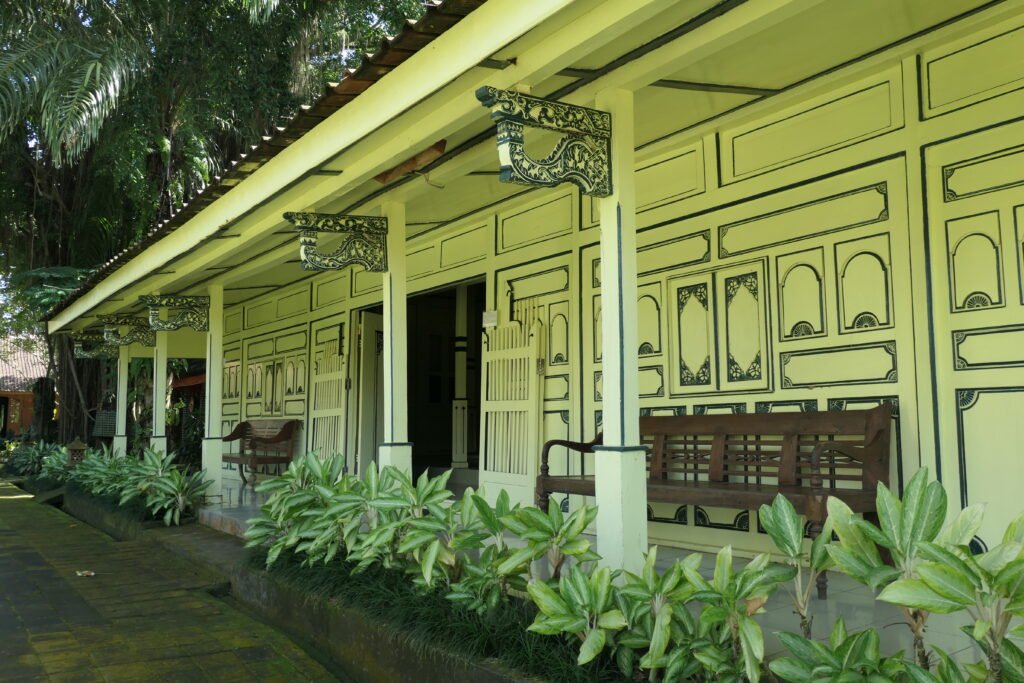
Photo: Anandajoti / Wikimedia Commons, CC BY-SA 4.0. No editorial changes by BaliFinder; WordPress may generate display sizes. Source photograph dated 2022-10-29.

Photo credits
1.
Photo: Anandajoti / Wikimedia Commons, CC BY-SA 4.0. No editorial changes by BaliFinder; WordPress may generate display sizes. Source photograph dated 2022-10-29.
Questions about this place?
Ask about access, facilities or your visit in BaliFinder chat.
Chat with BaliFinderAbout this destination
Setia Darma House of Masks and Puppets is a specialist cultural collection near Ubud. It brings together masks and puppets from Indonesia and other parts of the world, offering a different experience from a painting museum. The objects invite visitors to think about performance, character and storytelling as well as craftsmanship.
What the collection is about
The institution’s official website describes public display beginning in 2006 and identifies preservation, education and entertainment as its purposes. It reports a collection of more than 1,300 masks and 5,700 puppets. Those figures describe the wider holdings, not a promise that every object will be visible during one visit.
The collection’s international range is useful for comparison. Similar-looking objects may belong to very different traditions, while different materials can serve related theatrical purposes. Read the labels carefully and avoid assuming that every dramatic face represents the same character or religious role.
How to look at masks
Begin with the shape of the eyes, mouth and brow, then consider how those features might communicate from a distance during a performance. A mask designed for movement can have a different effect from a portrait intended to resemble one person. Think about what a performer contributes through posture and gesture beyond the carved surface.
Do not put on or touch display masks unless the institution explicitly provides a handling activity. Museum objects may be fragile even when made from solid material. Photography should follow the venue’s rules, and a close view through a camera should never require leaning across a barrier.
Understanding puppets as performance objects
Look at the way a puppet might be moved: joints, rods, strings or a flat silhouette can reveal something about its use. A shadow puppet viewed in daylight is not the same experience as its projected form during a performance. The display can introduce you to that distinction even when no show is taking place.
For children, choose a few objects and ask them to describe what kind of character each suggests. Then read the label together to compare imagination with context. This turns the visit into observation and learning rather than a search for the most frightening or unusual face.
Buildings, grounds and events
The official site describes exhibition rooms, garden areas and spaces used for performances and other events. The setting allows pauses between viewing areas, but an amphitheatre or stage does not mean that a show is scheduled every day. Check the current programme if live performance is your main interest.
Follow staff guidance about which buildings are open and any spaces reserved for an event. Keep the visit quiet enough for other people to study the displays. If you are arranging a school or specialist group, contact the institution in advance to discuss interpretation and the size of the group.
Practical planning
The official website lists daily hours of 8am to 4pm; confirm the current schedule and any special closures before travelling. Check admission or donation arrangements directly and ask about photography. Wear comfortable shoes for moving between buildings, and enquire about accessible routes if steps or uneven surfaces would be difficult.
Use the full Setia Darma House of Masks and Puppets name when setting your destination. Mas Village, Agung Rai Museum of Art and Rudana Museum provide other cultural experiences in the wider Ubud area. Leave time for transfers and choose a small number of stops so that the objects do not blur into one hurried museum circuit.
Is a puppet performance included with every visit?
No. The collection can be visited as a display, while performances depend on the current programme.
Are all the objects Balinese?
No. The institution describes holdings from different Indonesian regions and other countries, which is part of its comparative value.
Sources: Setia Darma official collection and visitor information and Singapore National Heritage Board: performance traditions and Setia Darma objects.
Photo: Anandajoti / Wikimedia Commons, CC BY-SA 4.0. No editorial changes by BaliFinder; WordPress may generate display sizes. Source photograph dated 2022-10-29.