Sangeh Monkey Forest
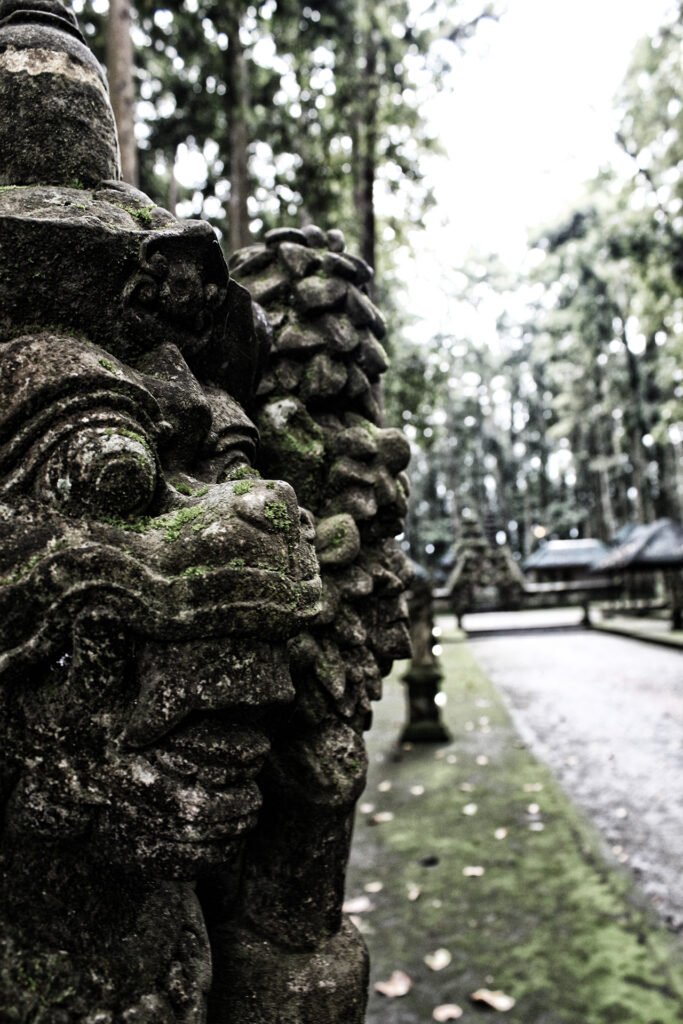
Photo: Ciousmagz / Wikimedia Commons, CC BY-SA 3.0. No editorial changes by BaliFinder; WordPress may generate display sizes. Source photograph dated 2013-02-03.

Photo credits
1.
Photo: Ciousmagz / Wikimedia Commons, CC BY-SA 3.0. No editorial changes by BaliFinder; WordPress may generate display sizes. Source photograph dated 2013-02-03.
Questions about this place?
Ask about access, facilities or your visit in BaliFinder chat.
Chat with BaliFinderThings to see & do
Forest walk
Follow the shaded paths beneath the tall pala trees and enjoy the forest setting at a relaxed pace.
Macaques in their habitat
Observe the animals from a respectful distance, following the guidance of staff.
Pura Bukit Sari
Discover the temple setting within the forest; access to sacred areas follows local rules.
Plan your visit
- Parking
- Toilets
- Getting here
- Choose Sangeh in Abiansemal, Badung when arranging transport; this is a different destination from Ubud Monkey Forest.
- Wildlife etiquette
- Keep food packed away, secure loose belongings and do not initiate feeding or contact. Ask staff for help if needed.
- Before visiting
- Confirm admission, opening hours and any guiding or photography fees at the entrance.
- What to wear
- Wear comfortable shoes and clothing suitable for a temple setting. Respect worshippers and restricted areas.
Location & directions
Sangeh Monkey Forest, Sangeh, Abiansemal, Badung, Bali
Check the entrance and final walking route before setting off.
About this destination
Sangeh Monkey Forest is a forest and temple destination in Abiansemal, Badung. Known locally for its pala trees and macaques, it offers a different experience from the better-known monkey forest in central Ubud. Pura Bukit Sari stands within the forest setting, linking the landscape to the religious life of the Sangeh community.
Sangeh and Ubud are different places
This listing covers Sangeh, not Sacred Monkey Forest Sanctuary Ubud. The two sites have different locations, management and visitor arrangements. Confirm the full destination name when booking a driver or tour, especially if “monkey forest” is the only description on an itinerary.
At Sangeh, the forest itself deserves attention as well as the animals. Notice the height of the trees, the shaded paths and the relationship between the temple and its surroundings. A visit focused only on getting close to a monkey misses much of what makes the place distinctive.
Observing macaques responsibly
Keep a respectful distance and follow the staff’s guidance. Do not feed, touch, tease or try to attract animals for a photograph. Avoid direct staring and sudden movements, and keep food out of sight. Secure glasses, jewellery, phones and loose items before entering areas where monkeys are active.
If an animal approaches, remain calm and give it space. Do not pull at an item it has taken or attempt a confrontation; ask a staff member for help. Children need close supervision and a clear explanation before the visit that these are free-ranging animals, not pets or performers.
Temple and forest etiquette
Pura Bukit Sari is a sacred site supported by the local traditional village. Follow signs about visitor access and dress, and do not assume the inner temple is open because the surrounding forest admits tourists. Give worshippers room and leave offerings undisturbed.
Stay on the permitted paths and respect any temporary closure. In a tall forest, weather and maintenance can affect access. If staff restrict a section during strong wind or heavy rain, follow the instruction rather than treating it as an obstacle to your route. Comfortable footwear is useful for damp or uneven ground.
Planning a visit
Use Sangeh Monkey Forest in Abiansemal as the exact transport destination. It can fit a central Badung route more naturally than a day focused entirely on the southern beaches. Allow time for a slow walk and staff guidance rather than treating it as a quick animal-photo stop.
Check current admission, opening hours and any guiding arrangement at the official entrance. Ask what is included before accepting optional photography or other services. The Badung tourism listing describes visitor facilities such as parking and toilets, but confirm the specific services your group needs when you arrive.
What to bring
Carry a small, securely closed bag, drinking water and suitable clothing for a temple-adjacent setting. Keep snacks packed away and avoid dangling accessories. A camera with some zoom is more useful than trying to move close to an animal. Take photographs from the path without blocking other visitors or encouraging contact.
If anyone in your group is uncomfortable around monkeys, discuss that before entering. The visit should be enjoyable on its own terms; there is no need to force a close encounter to consider it worthwhile.
Nearby destinations
Taman Ayun Temple offers a complementary cultural visit in the wider Badung area. Nungnung Waterfall can extend the trip toward the north, but requires more driving and a substantial stair descent. Choose the route according to your group’s interests and energy rather than combining distant stops only because they appear in the same tour list.
Sources: Badung tourism: Sangeh forest and Bukit Sari Temple and Indonesian tourism-village directory: Sangeh.
Photo: Ciousmagz / Wikimedia Commons, CC BY-SA 3.0. No editorial changes by BaliFinder; WordPress may generate display sizes. Source photograph dated 2013-02-03.