Samuan Tiga Temple
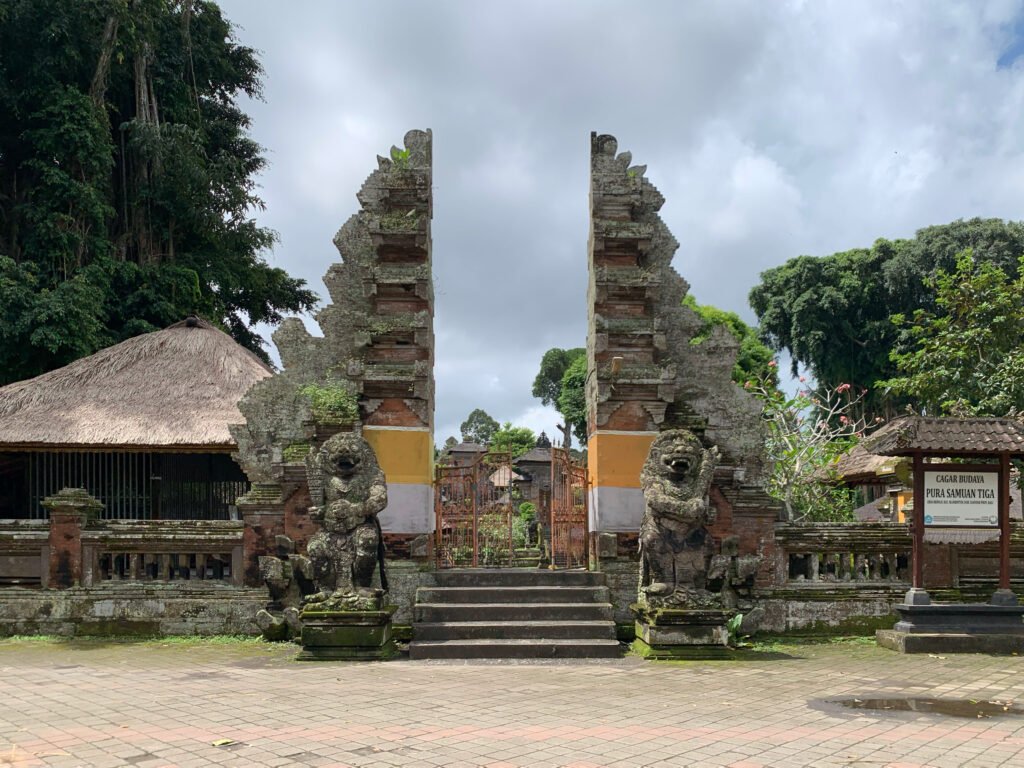
Photo: Chainwit. / Wikimedia Commons, CC BY-SA 4.0. No editorial changes by BaliFinder; WordPress may generate display sizes. Source photograph dated 2022-10-09.

Photo credits
1.
Photo: Chainwit. / Wikimedia Commons, CC BY-SA 4.0. No editorial changes by BaliFinder; WordPress may generate display sizes. Source photograph dated 2022-10-09.
Questions about this place?
Ask about access, facilities or your visit in BaliFinder chat.
Chat with BaliFinderAbout this destination
Samuan Tiga Temple is a living Hindu temple in Bedulu, Gianyar, with an important place in accounts of Bali’s religious and community history. It is a worthwhile stop for visitors who want to understand more than the appearance of temple gates. The visit benefits from context, a considerate pace and a willingness to follow the community’s access arrangements.
Why Samuan Tiga matters
Gianyar government material associates the site with a significant religious assembly and with traditions connected to Mpu Kuturan and the development of Balinese village institutions. These associations explain why the temple’s significance extends beyond its immediate neighbourhood. They are part of a long cultural memory that remains relevant to community discussions today.
When listening to an explanation, distinguish religious tradition, historical interpretation and what is directly visible in the compound. A precise date or a simplified claim that one meeting created every later Balinese practice can flatten a complicated history. Ask your guide how local people understand the temple’s role rather than looking only for a dramatic origin story.
Architecture as lived space
Notice how entrances, courtyards and buildings organise movement. A temple is used through ceremonies and daily care, so its meaning is not fully conveyed by an empty architectural photograph. The way people prepare offerings or move through an authorised area can be as informative as a carved detail.
Only enter spaces that attendants identify as open to visitors. A gate being physically open may serve worshippers or preparations rather than sightseeing. Keep the permitted route clear and avoid treating platforms or ceremonial furniture as places to sit while waiting for a photograph.
Visiting during religious activity
If a ceremony is underway, give worshippers priority and follow directions about where to stand. Dress modestly and wear the required sarong and sash. Ask before taking close photographs of participants, and avoid flash or any behaviour that interrupts the atmosphere.
An active ceremony is not a performance scheduled for tourists. If viewing is permitted, a quiet position at the edge can be more appropriate than trying to get close to the central action. Accept that some parts may not be explained or accessible during a short visitor stop.
Getting useful interpretation
A knowledgeable local guide can connect Samuan Tiga with the wider Bedulu landscape. Agree on the length and fee before beginning, and ask about both historical associations and current community use. Specific questions about a visible building or a named tradition tend to produce a richer conversation than a request for a quick general tour.
If you are visiting independently, read a little background first and keep the outing modest. You do not need to enter every courtyard or identify every shrine. A respectful look at permitted areas, supported by a few reliable facts, can be a complete visit.
Practical route planning
Confirm current visitor access and any contribution arrangements before making a special trip. Ceremonies or maintenance can change availability. Wear shoes suitable for uneven outdoor surfaces and bring water for the journey, keeping food and drink out of sacred areas. Ask about accessibility where steps or thresholds may be difficult.
Goa Gajah and Yeh Pulu Relief make strong companion stops around Bedulu, offering different kinds of archaeological evidence. Penataran Sasih Temple and Kebo Edan Temple extend the heritage theme towards Pejeng. Leave time for transfers and choose a few sites to understand properly rather than a rapid temple checklist.
Is Samuan Tiga primarily a tourist monument?
No. It remains a religious place with community significance, so worship and local instructions govern access.
Can I rely on a fixed daily ceremony for visitors?
No. Ceremonies follow religious and community calendars. Check locally and do not assume a tourist performance schedule.
Sources: Gianyar government: Samuan Tiga and community institutions and Indonesia Travel: temple overview.
Photo: Chainwit. / Wikimedia Commons, CC BY-SA 4.0. No editorial changes by BaliFinder; WordPress may generate display sizes. Source photograph dated 2022-10-09.