Puri Agung Jro Kuta
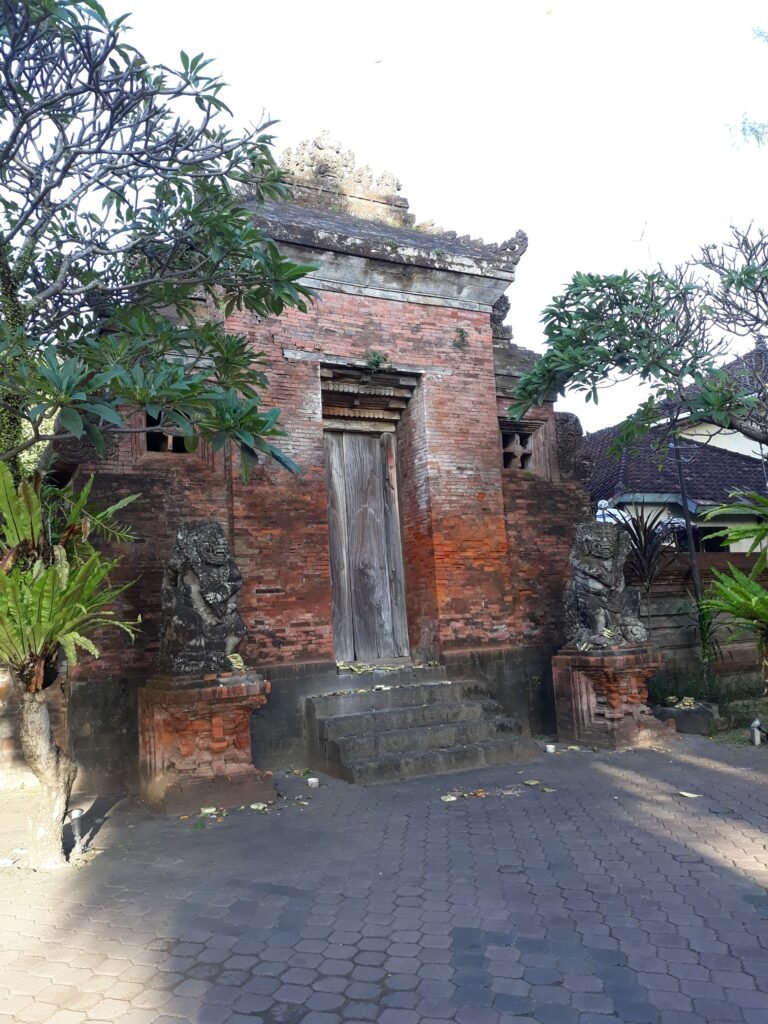
Photo: Anak Agung Ngurah Muhammad Satria Wirayudha / Wikimedia Commons, CC BY-SA 3.0. No editorial changes by BaliFinder; WordPress may generate display sizes. Source photograph dated 2018-06-24.

Photo credits
1.
Photo: Anak Agung Ngurah Muhammad Satria Wirayudha / Wikimedia Commons, CC BY-SA 3.0. No editorial changes by BaliFinder; WordPress may generate display sizes. Source photograph dated 2018-06-24.
Questions about this place?
Ask about access, facilities or your visit in BaliFinder chat.
Chat with BaliFinderAbout this destination
Puri Agung Jro Kuta is a historic palace compound on Jalan Sutomo in Denpasar. Its red-brick gateways and traditional spatial arrangement offer an introduction to the city’s royal heritage. Unlike a museum created only for visitors, a puri can retain residential and ceremonial functions, so a visit should begin with the people responsible for access.
Historical context
Denpasar’s tourism office dates the compound to around 1820 and associates its establishment with Dewa Gede Jambe Badung, also known as Kyai Agung Gede Jro Kuta Kahuningan. The palace family is connected with Klungkung royal lineage. These relationships place the site within a wider network of Balinese courts rather than an isolated decorative building.
The palace also has a custodial relationship with Uluwatu Temple, according to the city’s account. That connection is a useful reminder that royal compounds can remain tied to religious obligations across different parts of Bali. It does not mean that a city visit includes access to ceremonies or private family spaces.
Reading the compound
The tourism office describes successive areas including jaba ancak saji, jaba tengah, jaba tandeng and saren agung. Broadly, these move from entrance and courtyard spaces towards areas associated with gathering and residence. Ask which part you may enter instead of treating an open doorway as permission to continue.
Notice how gateways frame the next courtyard and how open space separates buildings. The compound is best appreciated as an arrangement of rooms, thresholds and activities, not just a facade. A slow look from an authorised courtyard may reveal more about its character than a quick walk through every possible passage.
Living heritage and craft
The city’s description also identifies traditional weaving associated with the palace and surrounding community. If craft activity is taking place during your visit, ask whether observation is welcome. Seeing a loom does not guarantee that a workshop or demonstration is running that day.
If you are interested in purchasing textiles, ask who made the item, what materials were used and how it should be cared for. Agree on the price directly and avoid assuming that everything displayed is for sale. Photography of people, work spaces and residential interiors should always follow the host’s permission.
How to plan a respectful visit
Confirm visitor arrangements before making the palace the main purpose of your trip. Ceremonies, family needs or conservation work may affect access. Dress modestly and bring a sarong if your itinerary also includes temples; the requirements of each site may differ.
Keep your group compact, lower your voice and leave entrances unobstructed. Do not sit on platforms, touch heirlooms or enter living rooms without invitation. If a guide or contribution is offered, clarify the terms at the start so that your attention can remain on the visit rather than an unexpected discussion afterwards.
Combine it with old Denpasar
Gajah Mada Heritage Street offers a useful continuation into the city’s trading history. Badung Market and Kumbasari Market show commercial life, while Bali Museum provides a more structured introduction to cultural objects. Choose the order around confirmed palace and museum access rather than expecting all stops to operate identically.
Denpasar traffic can make even a short transfer slower than a map suggests. Save the exact palace entrance and a separate pickup point if stopping beside it would obstruct the road. Take water for the city walk and allow a shaded break between destinations.
Is Jro Kuta a temple?
It is a puri, or palace compound, with living cultural and ceremonial connections. It should not be confused with a pura, the Balinese term for a temple.
Can I freely explore every courtyard?
No. Ask the host or attendant which areas are open. Residential and ceremonial spaces may be restricted even when visitors are welcome elsewhere.
Sources: Denpasar tourism: Puri Agung Jro Kuta and Denpasar tourism: palace location and heritage.
Photo: Anak Agung Ngurah Muhammad Satria Wirayudha / Wikimedia Commons, CC BY-SA 3.0. No editorial changes by BaliFinder; WordPress may generate display sizes. Source photograph dated 2018-06-24.