Puputan Klungkung Monument
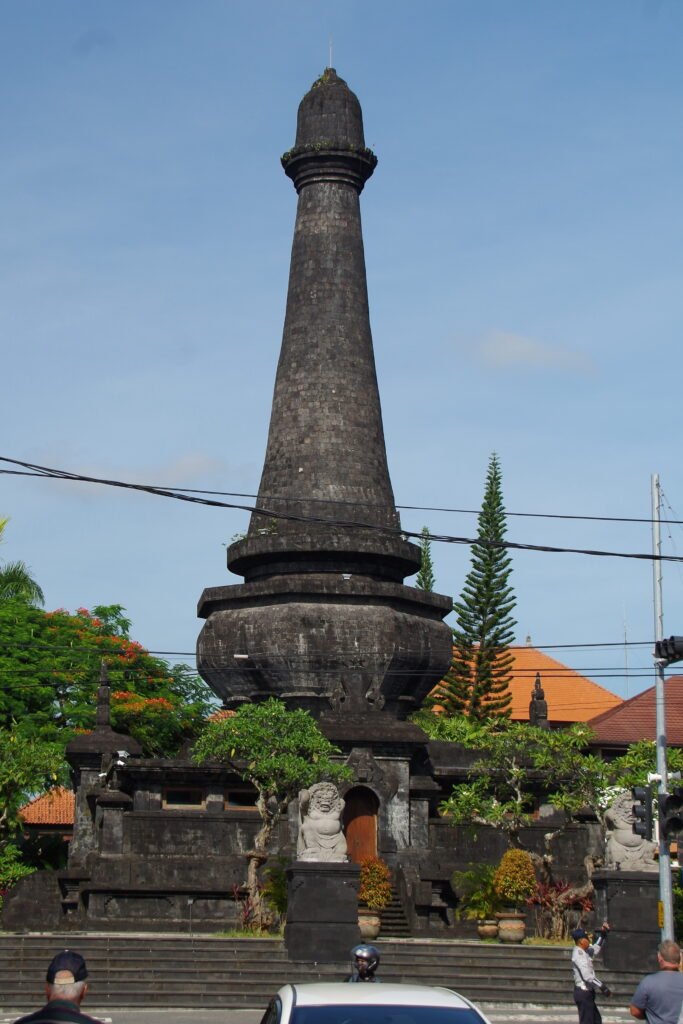
Photo: Balou46 / Wikimedia Commons, CC BY-SA 4.0. No editorial changes by BaliFinder; WordPress may generate display sizes. Source photograph dated 2018-01-03.

Photo credits
1.
Photo: Balou46 / Wikimedia Commons, CC BY-SA 4.0. No editorial changes by BaliFinder; WordPress may generate display sizes. Source photograph dated 2018-01-03.
Questions about this place?
Ask about access, facilities or your visit in BaliFinder chat.
Chat with BaliFinderAbout this destination
Puputan Klungkung Monument is a place of remembrance in central Semarapura, commemorating resistance to Dutch colonial conquest. Its prominent position makes it easy to notice while passing through town, but a considered visit goes beyond photographing the tower. The monument helps explain why Klungkung’s royal history remains important to the identity of the surrounding community.
What the monument commemorates
The Klungkung Cultural Department identifies 28 April 1908 as the date remembered here, when the kingdom’s ruler and people resisted the Dutch advance. The term puputan refers to the final resistance associated with that event. Approach the monument with the awareness that it represents loss and collective memory as well as a major historical turning point.
If the story is unfamiliar, begin with the site’s interpretation rather than reducing it to a dramatic anecdote. Ask a local guide to explain the circumstances, the people involved and how the event is remembered today. That context makes the surrounding heritage district easier to understand.
Notice the symbolic design
The cultural department describes a structure based on the lingga-yoni concept. Its twenty-eight-metre height, four entrances and eight steps are presented as numerical references to the commemorated date. This gives the monument a deliberate relationship between form and historical meaning.
Look at the tower from more than one position while remaining within public visitor areas. A photograph can record the overall shape, but the details become more meaningful once you know why they were chosen. Do not climb architectural features or use commemorative elements as casual posing platforms.
Explore the interpretation if open
The official online museum describes interior displays about Klungkung’s social, cultural and political history, including miniature scenes that illustrate events. Check which rooms are currently accessible and whether a guide or explanatory material is available in a language you understand.
Take time to distinguish the monument’s interpretation from the separate collections at Semarajaya Museum. Visiting both can be useful, but they should not be assumed to share identical opening arrangements or admission. Ask locally about the practical order that works best on your day.
Connect the memorial with the royal complex
Nearby Kertha Gosa and Taman Gili provide a complementary view of the kingdom through architecture, court functions and painted narratives. The contrast is valuable: one stop emphasises remembrance of a decisive conflict, while the other opens discussion of the institutions and artistic culture that preceded it.
A combined visit gives more depth than treating the monument as a quick roadside landmark. If time is limited, choose a few questions to explore across both sites, such as how authority was expressed through buildings or how history is communicated through visual storytelling.
Practical planning in central Semarapura
The regency places the monument on Jalan Untung Surapati in the town centre, close to shops, government buildings and other heritage attractions. Arrange a proper parking point and use care when crossing surrounding roads. Being near another attraction does not mean every approach is pedestrian-only.
Check current opening arrangements before planning an interior visit, especially around holidays or commemorative events. Carry water for the outdoor part of the day and dress respectfully. If a ceremony is taking place, give participants priority and ask before photographing individuals at close range.
Photo: Balou46 / Wikimedia Commons, CC BY-SA 4.0. No editorial changes by BaliFinder; WordPress may generate display sizes. Source photograph dated 2018-01-03.