
Petulu Village
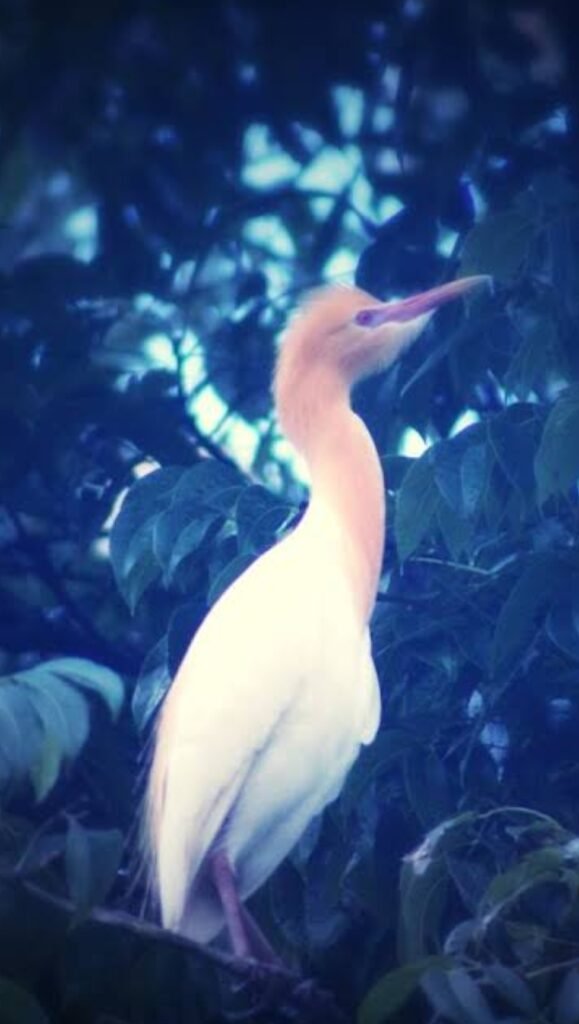
Petulu Village, north of central Ubud, is associated with colonies of herons locally known as kokokan. The birds’ presence among village trees makes the destination different from an enclosed wildlife park. Visitors come to observe a relationship between a living settlement and wild birds, so patience and minimal disturbance are central to a good visit.
What makes Petulu special?
Gianyar’s tourism account describes birds leaving to feed and returning towards evening, with roosting trees forming part of the village setting. This is a useful pattern for planning, but it is not a guaranteed timetable. Bird numbers, movements and visibility depend on season, weather and conditions on the day.
Avoid treating the village as a place where wildlife must perform for your camera. A quieter visit with fewer visible birds can still reveal something about the habitat and local care for it. Ask residents or a local guide where observation is currently appropriate before choosing a place to wait.
Plan your timing
If the return to roost is your main interest, ask locally about the best current arrival period and leave enough daylight to find your viewing point safely. Do not copy a precise sunset hour from an old article: the time changes through the year, and the birds do not follow a tourist schedule.
Arrange your return transport before settling in. Waiting until dusk can make it harder to find a driver immediately, and narrow village roads may not offer a convenient place to stop. A clear meeting point helps keep vehicles away from the most sensitive or crowded viewing area.
Watch without disturbing
Use binoculars or a camera zoom and keep a respectful distance from roosting or nesting trees. Do not shout, clap, use playback calls or throw objects to make birds move. Avoid drones and flash around the colony, and never feed or attempt to handle the birds.
Choose a position that leaves residents access to their homes and road. If a bird settles close by, remain still rather than moving towards it. The most useful wildlife photograph is one obtained without changing the animal’s behaviour or creating inconvenience for the community.
Village etiquette
Petulu is a residential place, not a fenced viewing attraction. Ask before entering a courtyard, using a raised platform or photographing residents. If a local guide or viewing arrangement has a fee or contribution, clarify it at the beginning. Pay for a clearly described service rather than assuming everyone you meet is part of the visitor programme.
Dress comfortably but respectfully, and keep your group small enough to move easily through the area. Carry litter out and avoid blocking doorways while reviewing photographs. If you buy a drink or snack, use the business’s seating only according to its terms.
Practical preparation
Bring water, insect protection if needed and footwear suitable for walking on village roads. A hat can be useful beneath bird-filled trees. Protect camera equipment from weather and droppings, and wash hands before eating after spending time outdoors.
A patient, focused visit is usually better than scheduling Petulu as the final few minutes of a crowded day. Leave room to wait, observe and ask questions. If heavy rain or another condition makes viewing impractical, accept that wildlife-based outings sometimes need a change of plan.
Other Ubud experiences
Keliki Rice Terrace and Kajeng Rice Field Walk provide different agricultural landscapes, while Neka Art Museum or Museum Puri Lukisan can add an art visit earlier in the day. These are separate destinations, so build the route around the timing of your main bird-watching stop.
Are sightings guaranteed?
No. Petulu is associated with a wild bird colony, and conditions influence what you see.
Can I use a drone to photograph the birds from above?
Avoid it. A quiet ground-based position and a longer lens are more appropriate around roosting and nesting wildlife.
Sources: Gianyar government: Petulu kokokan context and Petulu village official website.
Photo: Dmazsh / Wikimedia Commons, CC BY 4.0. No editorial changes by BaliFinder; WordPress may generate display sizes. Source photograph dated 2019-09-11.
