Penglipuran Bamboo Forest

Kredit foto
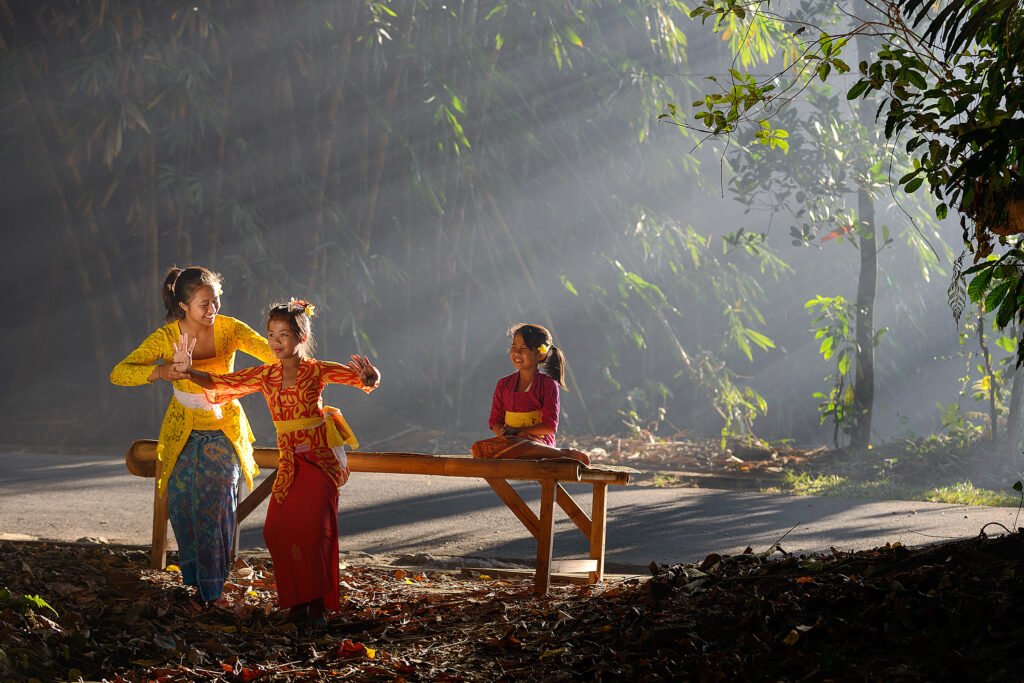
1. Latihan tari dengan latar hutan bambu Penglipuran / Dance practice beside Penglipuran’s bamboo forest, 2014. Learn to Dance — Hendri Suhandi, CC BY-SA 4.0, via Wikimedia Commons. Foto asli; ukuran tampilan disesuaikan / Original photograph, resized for display.
Butuh informasi?
Tanyakan rute, fasilitas, atau kunjungan melalui chat BaliFinder.
Chat admin BaliFinderTentang destinasi
Penglipuran Bamboo Forest adds a shaded natural setting to a visit to Penglipuran’s better-known village street. The bamboo is more than decoration around a tourist route: it forms part of a landscape cared for by the local community and associated with practical uses of the plant. Make room for both the forest and the settlement if you want a fuller understanding of this part of Bangli.
Why the forest matters
Indonesia’s environment ministry recognises the Penglipuran community’s work in maintaining its bamboo forest. Research has also examined the forest’s biomass and carbon storage, describing selective harvesting rather than treating it as an untouched area with no human relationship. Conservation here involves management and continuity, not simply keeping visitors away.
That context changes how a walk feels. Look at the bamboo as a material connected with local life as well as a visually striking plant. If you see craftwork or building elements elsewhere in the village, ask about their materials rather than assuming every bamboo product on sale was made locally or harvested from this particular forest.
Finding the forest within your visit
The forest is associated with the northern part of the village area, near the temple end of the settlement. Follow current signs and directions from staff, since parking and visitor routes can change. A map pin for Penglipuran may lead to a general entrance rather than the exact path you want.
Ask at admission how the forest fits into the current visitor route and whether any sections are temporarily closed. Do not enter through an informal gap or a private compound to shorten the walk. If someone in your group needs a step-free route, confirm the actual path surface and access before setting out; a photograph of one paved stretch does not describe the entire outing.
Walking and photography
The attraction is the repeated pattern of bamboo stems, filtered light and the change in atmosphere from the village street. Walk slowly enough to notice these details. For photographs, stand to one side of the path and allow other people to pass rather than blocking the route for a long portrait session.
Wear shoes with grip, particularly after rain when leaf litter and damp surfaces can be slippery. Stay on the designated route and avoid walking into dense stands simply to remove other visitors from a photograph. Do not bend stems, cut shoots or carve initials into bamboo. Quiet conversation is more appropriate than playing music through a speaker.
Connect the forest with village life
Continue to Penglipuran Village to see its settlement layout and entrance gateways. Ask permission before stepping into a home compound, even when a doorway is open. Where a household offers a clearly advertised activity or product, agree on the price and what is included before participating.
The official village website advertises cultural activities including bamboo painting. Availability and arrangements should be confirmed directly; seeing a promotional listing does not guarantee an unscheduled session when you arrive. A prearranged activity can add depth to the outing if you are interested in making or learning rather than only walking.
Planning a Bangli day
Keep sufficient time for a rest and a drink after exploring. Kehen Temple can make a complementary stop focused on religious architecture, but avoid treating the forest as a hurried extra at the very end of a packed day. Check current village opening hours and ticket arrangements before travelling, particularly around holidays or special events.
Is the bamboo forest separate from Penglipuran’s cultural landscape?
It is closely associated with the village and its management traditions. Visit the forest and settlement together for context.
May visitors collect bamboo or shoots?
No. Leave plants and materials in place and follow the community’s rules. Harvesting decisions belong to the local managers.
Sources: Environment ministry: Penglipuran community conservation, Research on Penglipuran bamboo management and Penglipuran official visitor information.