Nusa Ceningan Seaweed Farms
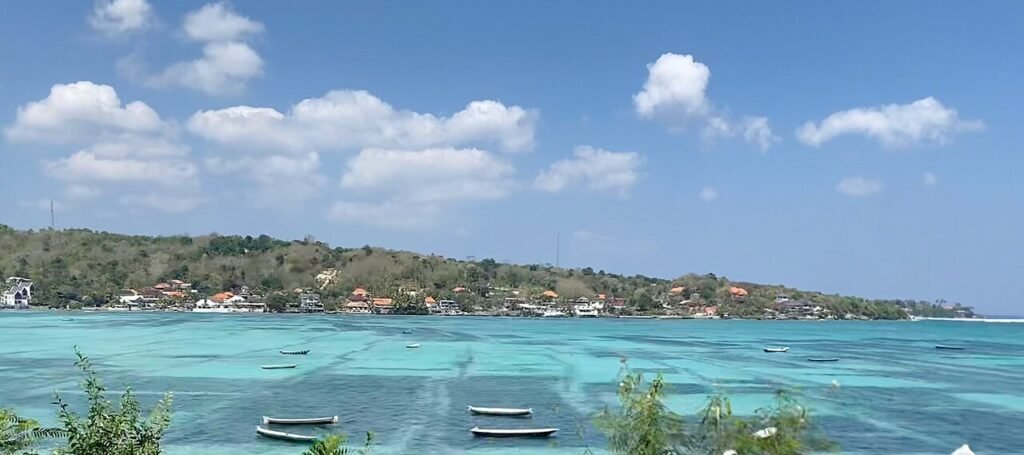
Seaweed farms in the channel between Nusa Ceningan and Nusa Lembongan at high tide.
Sgroey / Wikimedia Commons / CC BY-SA 4.0Photo credits
1.
Seaweed farms in the channel between Nusa Ceningan and Nusa Lembongan at high tide.
Sgroey / Wikimedia Commons / CC BY-SA 4.0Questions about this place?
Ask about access, facilities or your visit in BaliFinder chat.
Chat with BaliFinderAbout this destination
Nusa Ceningan Seaweed Farms offer a view of island life shaped by the shallow channel between Ceningan and Lembongan. Rows of cultivation lines, boats and people tending crops reveal a working coastal landscape. This is not a single enclosed attraction with a universal entrance gate. It is an area where livelihoods continue alongside tourism, and a thoughtful visit begins by respecting that distinction.
The experience can be as simple as observing from an appropriate public shoreline position or as detailed as an arranged conversation with a farmer and local guide. The most useful question is not where to get the perfect photograph, but how to learn about the work without interrupting it.
Understanding the cultivated landscape
A first-hand report by The Lembongan Traveller describes seaweed attached to ropes supported within marked plots, with farmers checking crops around suitable tides. Harvested material is brought ashore, sorted and dried, while selected growth can be used for the next planting. The details vary between farms, species and conditions, so avoid expecting every plot to follow an identical timetable.
The same report documents the revival of farming during the pandemic, when tourism income fell. That history helps explain why seaweed is more than a decorative feature in island photographs. It represents practical knowledge, labour and an alternative source of income. Ask local residents about their present experience rather than assuming an older report describes today’s prices or production levels.
Tides determine what you can see
The channel looks very different as the water rises and falls. Cultivation lines may be easier to distinguish when shallows are exposed, while access for working boats and farmers changes with the tide. A convenient sightseeing hour is not necessarily when planting or harvesting will be taking place.
If seeing farm work is important, arrange the visit with someone who knows the current schedule. Do not expect a demonstration whenever you arrive. Farmers may be occupied elsewhere, and a crop may not be ready for harvest. A guide can explain the landscape even when there is little visible activity, provided that expectation is agreed in advance.
Visit without disturbing the crop
Stay out of plots unless a farmer explicitly invites you in and explains where to step. Ropes, stakes and attached growth can be damaged by careless movement. Never pull up seaweed for a photograph or move equipment to improve a view. Shallow water does not turn cultivated ground into a public wading area.
Ask before taking close photographs of workers, homes or drying areas. If someone agrees to explain their work, respect the time involved and agree any guiding or demonstration fee beforehand. Buying an arranged experience can be more considerate than relying on an unsolicited conversation during a busy part of the working day.
Choosing a guide or farm visit
Ask your accommodation whether a local farmer or community-connected guide currently welcomes visitors. Clarify the meeting point, language, duration and what the experience includes. A tour advertised as “seaweed farming” may mean a brief viewpoint stop rather than hands-on participation, so check before booking.
Avoid assuming that touching, planting or harvesting will be offered. Observation and explanation may be the most appropriate format. Bring sun protection and water, and follow advice on footwear. If entering the shallows is proposed, discuss conditions and your own balance or mobility needs before agreeing.
Combine the farms with the channel crossing
The Yellow Bridge helps place the farms within the geography of the two islands. Observe from safe positions without obstructing bridge traffic, then continue to a suitable shore viewpoint. Blue Lagoon Ceningan offers a contrasting exposed-coast landscape, while Nusa Lembongan Mangrove Forest provides another way to understand coastal habitats on a separate outing.
Photo: Sgroey / Wikimedia Commons, CC BY-SA 4.0. No editorial changes by BaliFinder; display sizes may be generated.
