Museum Manusia Purba Gilimanuk
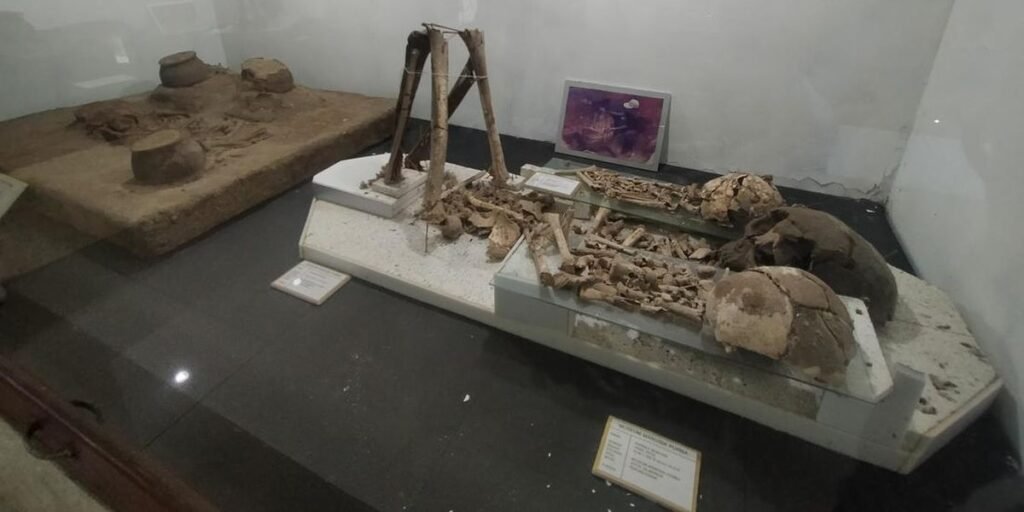
Photo: Unknown authorUnknown author / Wikimedia Commons, Public domain. No editorial changes by BaliFinder; WordPress may generate display sizes. Source photograph dated 2025-05-02.

Kredit foto
1.
Photo: Unknown authorUnknown author / Wikimedia Commons, Public domain. No editorial changes by BaliFinder; WordPress may generate display sizes. Source photograph dated 2025-05-02.
Butuh informasi?
Tanyakan rute, fasilitas, atau kunjungan melalui chat BaliFinder.
Chat admin BaliFinderTentang destinasi
Museum Manusia Purba Gilimanuk, also listed as Museum Manusia Prasejarah Gilimanuk, introduces the archaeological history of Bali’s western end. Its subject is the prehistoric community associated with the Gilimanuk site, giving visitors a perspective far older than the modern ferry port. The museum is located on Jalan Rajawali in Gilimanuk, Melaya, Jembrana.
The national museum catalogue connects its development with archaeological discoveries made from the early 1960s onward. A visit is most rewarding when you approach the objects as evidence of human lives: the things people used, the materials they worked and the ways communities treated their dead.
What the collections can reveal
Official museum and archaeological publications describe pottery, stone and metal tools, ornaments, shells and burial-related material. These categories offer different kinds of evidence. A container can suggest everyday practices, while an object found in a burial may have a meaning beyond its practical use.
Read labels carefully and ask staff which displays are original objects, models or casts. The distinction does not make a replica uninteresting; it helps explain what you are looking at and why a fragile original may need a different form of care.
Avoid assuming that every object in a case belongs to exactly the same period. Archaeological interpretation depends on context, dating and comparison. A guide or museum attendant can help distinguish findings from broader background material used to explain them.
View burial displays thoughtfully
Human remains and burial reconstructions deserve a considerate approach. They represent people and cultural practices, rather than novelty photo subjects. Follow museum rules concerning photography and keep conversation respectful around these displays.
For children, prepare a simple explanation before entering: archaeologists study surviving evidence to understand how people lived. Let questions guide the visit and avoid overwhelming younger visitors with technical terms. One carefully discussed object can be more memorable than trying to read every label.
Visitors interested in archaeology can ask how discoveries were recorded, what the objects suggest about coastal life and which questions remain unresolved. Good interpretation includes uncertainty, rather than presenting every inference as a complete account of the past.
Check opening and admission before travelling
The Ministry of Culture’s museum portal currently lists weekday visits, with a shorter Friday schedule and closure on weekends and public holidays. It also displays an admission charge. Confirm these details directly before a dedicated journey, particularly around holidays or maintenance periods.
Older publications show different operating information, so a dated guidebook should not be your final planning source. If you are passing through Gilimanuk for a ferry, establish the museum’s availability before allocating a narrow transit window to it.
Ask about staff assistance or a guided explanation if that is important to you. Travellers with mobility needs should enquire about access to the displays they hope to see, since older museum descriptions refer to more than one floor. Confirm the current layout rather than assuming all collections are accessible by the same route.
Make the museum part of a wider visit
Gilimanuk Bay provides geographical context for the archaeological story. Looking across the modern coastal landscape after the museum can help you consider why people lived and worked near the sea, while avoiding simplistic assumptions that the coastline has remained unchanged.
Karang Sewu offers another nature-focused stop in the wider area. Keep enough time between attractions for transport and museum opening arrangements. A cultural visit is more enjoyable when it is not squeezed into the final minutes before a ferry departure.
For a later chapter of Jembrana history, Puri Agung Negara provides a royal-heritage subject elsewhere in the regency. The two destinations cover very different periods and should be understood as complementary experiences.
Photo: Unknown authorUnknown author / Wikimedia Commons, Public domain. No editorial changes by BaliFinder; WordPress may generate display sizes. Source photograph dated 2025-05-02.