Kertha Gosa and Taman Gili
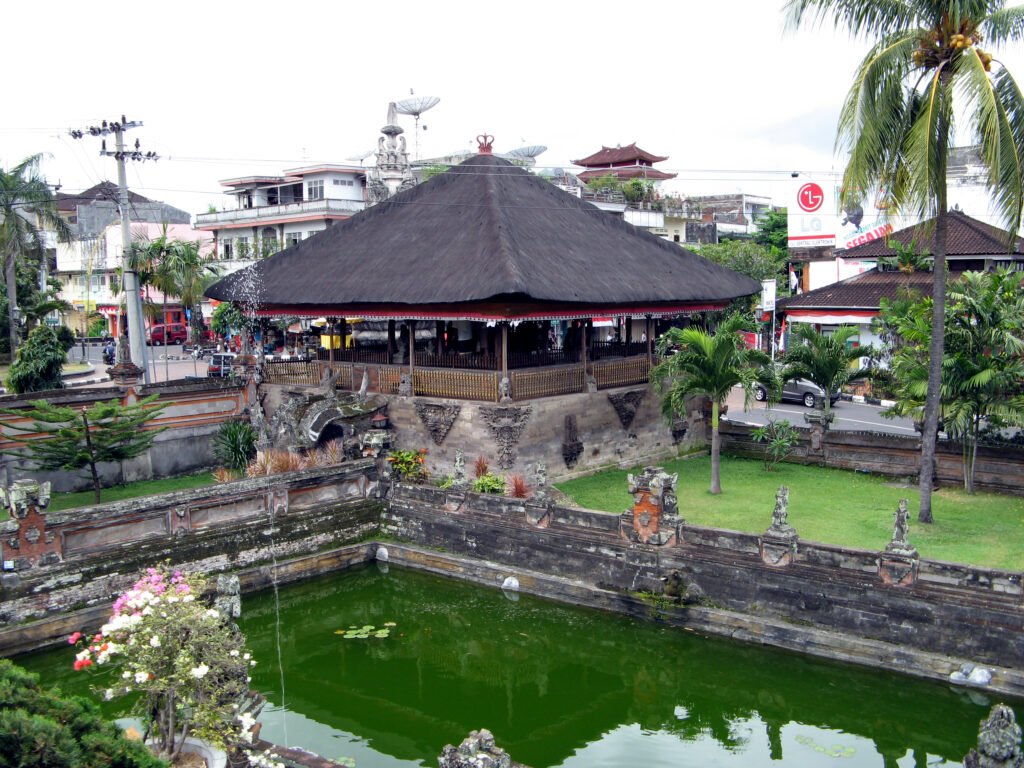
Photo: Michael Gunther / Wikimedia Commons, CC BY-SA 4.0. No editorial changes by BaliFinder; WordPress may generate display sizes. Source photograph dated 2008.

Photo credits
1.
Photo: Michael Gunther / Wikimedia Commons, CC BY-SA 4.0. No editorial changes by BaliFinder; WordPress may generate display sizes. Source photograph dated 2008.
Questions about this place?
Ask about access, facilities or your visit in BaliFinder chat.
Chat with BaliFinderAbout this destination
Kertha Gosa and Taman Gili bring together architecture, painted storytelling and the history of Klungkung in the centre of Semarapura. The complex rewards a slower visit than its compact size might suggest. Looking at the pavilions is only the beginning; understanding the pictures overhead and the changing uses of the buildings adds depth to what might otherwise be a brief photographic stop.
Two pavilions with different settings
Klungkung’s official visitor information distinguishes Bale Kertha Gosa from Bale Kambang, the pavilion surrounded by the water of Taman Gili. The cultural department’s online museum explains the name Taman Gili through the image of land within a pond, while Bale Kambang is commonly understood as the floating pavilion.
Start by noticing how each building sits within the complex. The relationship between water, open-sided architecture and decorated ceilings makes the setting distinctive. Keep to the visitor route and avoid leaning against carved or painted surfaces while looking for a better angle.
Read the ceilings as stories
The paintings use the classical wayang style associated with Kamasan Village. They are not simply decorative patterns: the imagery communicates narratives and ideas about conduct, consequences and the world. The cultural department identifies stories including Bima’s journey in the Kertha Gosa imagery and Sutasoma in Bale Kambang.
A local guide can help you follow a sequence rather than viewing each panel in isolation. Ask where the story begins, how to recognise important figures and how the scenes relate to the building’s purpose. Some imagery concerns punishment and can be intense, so adults may want to explain it thoughtfully when visiting with children.
Place the site in Klungkung history
Kertha Gosa was associated with royal discussions and matters of justice, and later continued as a court under colonial administration. The complex therefore provides a way to think about both political authority and artistic education. It should not be understood solely as a decorative garden.
For context on the events of 1908 and the end of the kingdom’s resistance to Dutch conquest, continue to Puputan Klungkung Monument. Semarajaya Museum adds another opportunity to explore local history through collections and interpretation rather than relying on a single building to tell the entire story.
Make time for guided interpretation
Ask at the entrance about current admission, open areas and guiding arrangements. Conservation or maintenance can affect which parts are accessible. If seeing a particular ceiling or pavilion is important to you, check beforehand rather than assuming every part of the site will be open.
Wear comfortable shoes for moving between outdoor areas and bring protection from sun or rain. Give yourself enough time to pause beneath the paintings without blocking circulation. Photography rules may differ around sensitive objects or temporary displays, so follow staff instructions and avoid flash where restricted.
Build a Semarapura cultural route
The central location makes this a useful anchor for a day focused on mainland Klungkung. Pair the pavilions with the monument and museum, then consider Kamasan to see how the painting tradition continues in a living community. Arrange a studio visit before travelling if you want a demonstration or lesson.
A smaller number of connected stops often produces a richer day than combining the site with distant island attractions. Nusa Penida and Nusa Lembongan require separate boat logistics; they are not convenient extensions of a short walk around Semarapura.
Photo: Michael Gunther / Wikimedia Commons, CC BY-SA 4.0. No editorial changes by BaliFinder; WordPress may generate display sizes. Source photograph dated 2008.