Kebo Edan Temple
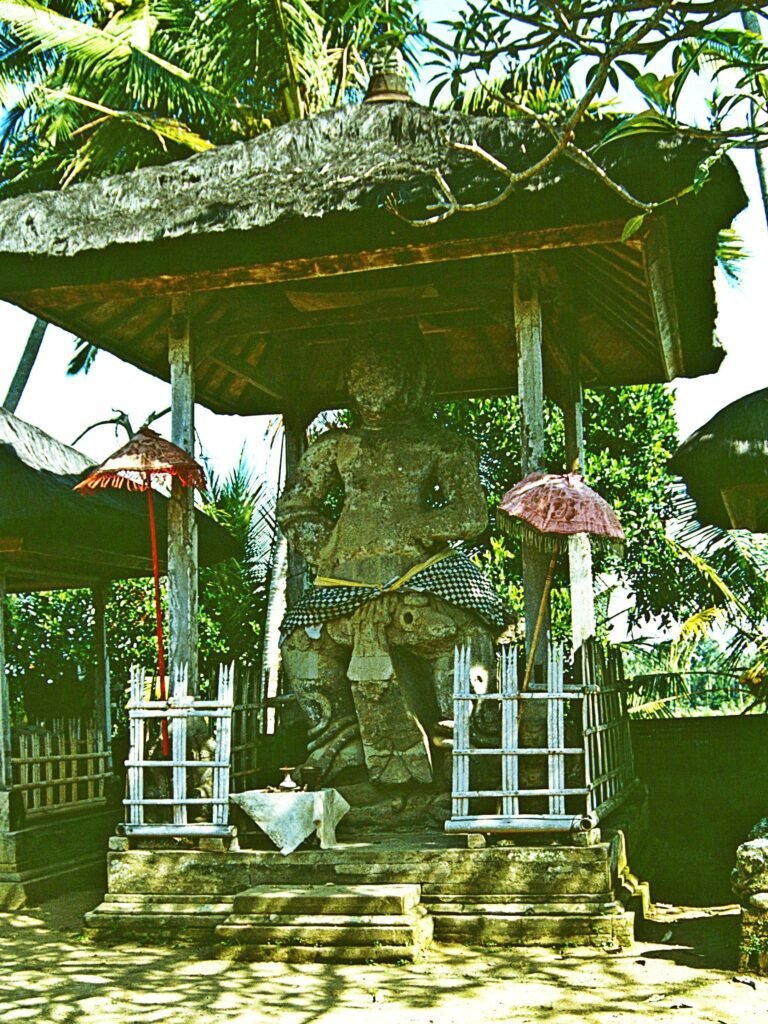
Photo: Ziegler175 / Wikimedia Commons, CC BY-SA 4.0. No editorial changes by BaliFinder; WordPress may generate display sizes. Source photograph dated 1993-08.

Kredit foto
1.
Photo: Ziegler175 / Wikimedia Commons, CC BY-SA 4.0. No editorial changes by BaliFinder; WordPress may generate display sizes. Source photograph dated 1993-08.
Butuh informasi?
Tanyakan rute, fasilitas, atau kunjungan melalui chat BaliFinder.
Chat admin BaliFinderTentang destinasi
Kebo Edan Temple is a sacred and archaeological destination in Pejeng, Gianyar. It is especially associated with an unusual Siwa Bhairawa sculpture, making it of interest to visitors exploring Bali’s religious art and history. The site is best approached with curiosity and care, without reducing its imagery to something merely strange or sensational.
Why the sculpture matters
Indonesia’s cultural-protection directorate included the Siwa Bhairawa statue at Kebo Edan among nationally significant heritage objects discussed and recognised through its 2019 assessment process. Scholarly work also examines the sculpture’s iconography and its relationship with religious traditions in ancient Bali. These contexts explain why the site deserves more than a brief novelty stop.
Interpretations of religious imagery can be complex. Ask a knowledgeable guide or read a reliable explanation before assigning meaning to a pose, ornament or bodily feature. A dramatic appearance does not justify inventing a story, and a popular nickname should not replace the object’s cultural identity.
Looking carefully at the art
Begin with the statue’s overall form from the permitted viewing position. Then notice how its posture and details differ from other sculptures you have encountered in Bali. The aim is to observe craftsmanship and iconography, not to find an angle that makes the object look amusing or shocking.
Do not climb, touch or lean against ancient objects or their supports. If cloth, offerings or a protective arrangement partly covers a feature, leave it in place. A restricted view is part of respecting a sacred object; visitors are not entitled to rearrange it for photography or study.
A temple, not a detached museum display
The sculpture exists within an active religious setting. Its archaeological importance and its sacred role can coexist, and both matter during a visit. Follow the temple’s clothing requirements, usually involving modest dress and the sarong and sash specified by attendants.
Ask which parts are open before entering. Keep voices low and give people engaged in prayer or maintenance space to work. Photograph individuals only with permission, and avoid flash during worship. If the site is closed or a ceremony limits access, adjust your itinerary rather than attempting another entrance.
Building a Pejeng heritage visit
Penataran Sasih Temple offers a useful comparison through its ancient bronze drum, while Goa Gajah presents a different combination of cave architecture, pools and religious remains. Yeh Pulu Relief shifts attention towards a long rock-carved sequence. Together they show that Bali’s archaeological heritage takes several forms.
Choose a guide who can explain the distinctions between these sites rather than repeating one general temple narrative. Agree on the itinerary, duration and fees before setting out. Leave time between stops to consider what you have seen, particularly if religious imagery is unfamiliar.
Practical preparation
Confirm current visitor arrangements locally before travelling specifically to Kebo Edan. Small sacred sites may not operate like large attractions with a continuously staffed ticket counter. Bring suitable clothing and small cash for any clearly explained contribution, while avoiding assumptions about a fixed entrance price.
Wear comfortable shoes for outdoor surfaces and carry water for the journey. If accessibility is important, ask about thresholds and the available viewing position in advance. Use the full temple name in Pejeng when arranging transport, and save a precise pickup point so that a short visit does not become an uncertain wait for a return ride.
Is Kebo Edan worth visiting without archaeological knowledge?
Yes, if you are interested in sculpture and willing to seek context. A short informed visit is more rewarding than treating the imagery as a curiosity.
Can I uncover or reposition cloth to see the statue?
No. Sacred and protective arrangements must remain untouched. View the object as local custodians permit.
Sources: Cultural-protection directorate: Siwa Bhairawa heritage recognition and BRIN Amerta archaeological journal: sculpture context.
Photo: Ziegler175 / Wikimedia Commons, CC BY-SA 4.0. No editorial changes by BaliFinder; WordPress may generate display sizes. Source photograph dated 1993-08.