Jemeluk Bay
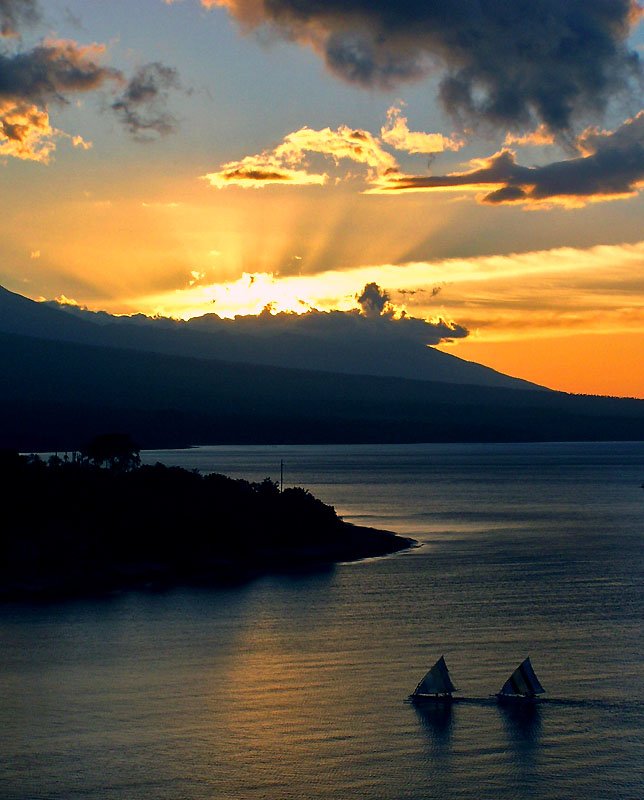
Photo: Riza Nugraha from Utrecht, The Netherlands / Wikimedia Commons, CC BY 2.0. No editorial changes by BaliFinder; WordPress may generate display sizes. Source photograph dated Taken.

Kredit foto
1.
Photo: Riza Nugraha from Utrecht, The Netherlands / Wikimedia Commons, CC BY 2.0. No editorial changes by BaliFinder; WordPress may generate display sizes. Source photograph dated Taken.
Butuh informasi?
Tanyakan rute, fasilitas, atau kunjungan melalui chat BaliFinder.
Chat admin BaliFinderTentang destinasi
Jemeluk Bay is one of the best-known marine stops within the wider Amed coast of Karangasem. Visitors come for time beside the water and for snorkelling or diving around its reef environment. It is most rewarding when you choose an activity suited to the day’s conditions and leave enough time to enjoy the bay itself, rather than racing between several underwater sites.
Understand the bay’s appeal
Karangasem’s official tourism information highlights coral and fish life in the Jemeluk–Amed area, alongside fishing activity on the coast. A reef visit is therefore also an encounter with a place used and cared for by local people. Respect boat movements and ask where visitors should enter and leave the water.
A local dive operator describes both Jemeluk reef and wall experiences. These are not interchangeable activities: a surface snorkel route, a shallow dive and a deeper wall dive require different planning. Tell your operator what you want to do and what experience you have instead of selecting an outing only from an underwater photograph.
Shore entry or a boat trip?
Jemeluk is promoted as a place where snorkelling can be arranged from the beach, but the appropriate entry and route depend on conditions. A boat may be used for some outings, while others remain close to shore. Ask which format your booking includes and where the guide will remain during the activity.
Check equipment fit before starting, including mask, fins and any flotation aid. Beginners should request a guided introduction rather than assuming that a reef close to land removes the need for supervision. Agree on how to signal discomfort and how the group will return if someone wants to stop early.
Keep the reef intact
Avoid standing on coral, touching marine life or holding onto underwater structures for a photograph. Move your fins carefully and maintain space from the bottom. If you are uncertain how to float comfortably without contact, practise with your guide in an appropriate area before approaching the reef.
Do not feed fish to attract them for a camera. Wildlife encounters should remain voluntary, and no particular animal can be guaranteed. An ordinary stretch of reef can be interesting when you slow down and observe small movements rather than continually searching for a headline species.
Beach time and practical arrangements
Keep dry belongings in a secure place arranged with your operator or accommodation. Confirm whether changing, toilets and showers are included with your chosen service or belong to a separate business. A beach arrival does not automatically provide access to every hotel’s facilities.
If you prefer to stay dry, choose a permitted place to sit, have a drink or watch the boats. Leave launching areas clear and ask before close photographs of working people. Sun protection and drinking water are useful even on a short visit, especially when you are distracted by activity at the shoreline.
Plan the surrounding Amed coast
Lipah Beach offers another named coastal stop, while Japanese Shipwreck Amed is a distinct site farther along the wider area. Compare them with a local operator according to conditions, not as a compulsory checklist. Amed Beach can provide a broader base for meals and accommodation, depending on the exact property.
An overnight stay gives flexibility if sea conditions change. If visiting for a day, allow time for equipment fitting, briefing and a relaxed return journey. Avoid placing a water activity immediately before a tightly timed transfer elsewhere in Bali.
Is Jemeluk suitable for every snorkeller in all conditions?
No. Ask a local professional to assess the day’s entry, sea conditions and route for your experience.
Is a wall dive the same as beach snorkelling?
No. They are different activities with different equipment and training requirements. Confirm the planned experience before booking.
Sources: Karangasem government: Jemeluk–Amed and Amed White Sand Divers: local dive-site descriptions.
Photo: Riza Nugraha from Utrecht, The Netherlands / Wikimedia Commons, CC BY 2.0. No editorial changes by BaliFinder; WordPress may generate display sizes. Source photograph dated Taken.