Goa Gajah
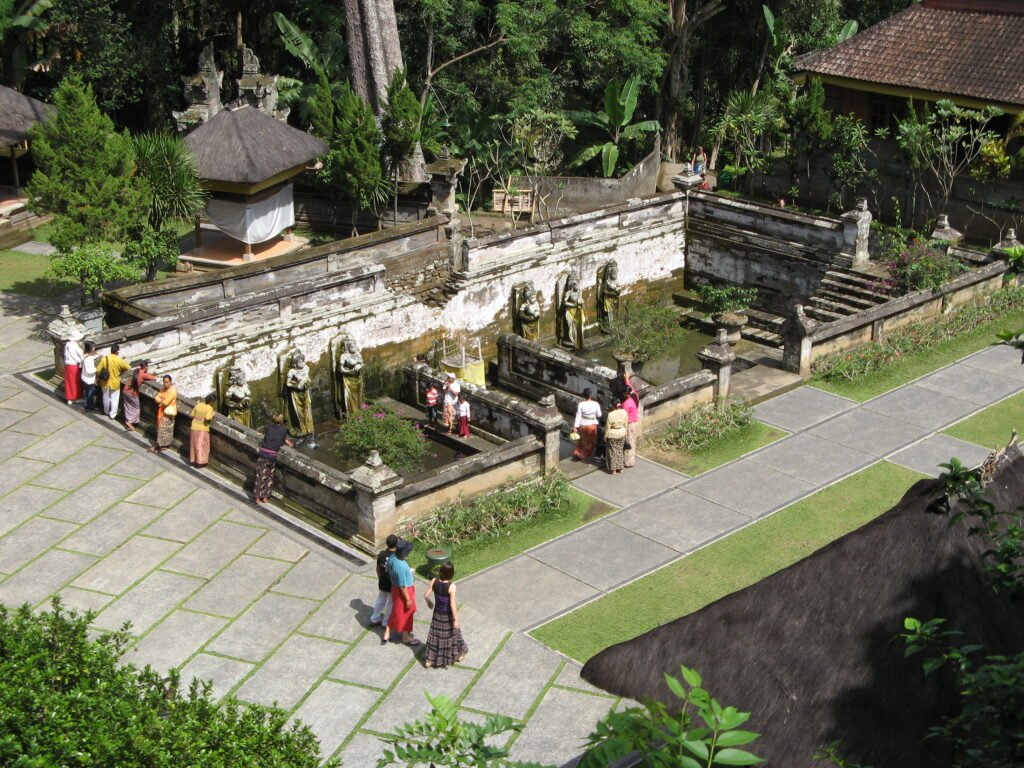
Photo: Michael Gunther / Wikimedia Commons, CC BY-SA 4.0. No editorial changes by BaliFinder; WordPress may generate display sizes. Source photograph dated 2008-08-16.

Photo credits
1.
Photo: Michael Gunther / Wikimedia Commons, CC BY-SA 4.0. No editorial changes by BaliFinder; WordPress may generate display sizes. Source photograph dated 2008-08-16.
Questions about this place?
Ask about access, facilities or your visit in BaliFinder chat.
Chat with BaliFinderAbout this destination
Goa Gajah is an archaeological and sacred complex in Bedulu, near Ubud. Often translated as Elephant Cave, its name can create the wrong expectation: the main interest is a carved cave entrance and the surrounding historical site, not a wildlife attraction. Allow time beyond the familiar entrance photograph to understand the water features and wider landscape.
The cave and its setting
The entrance’s dramatic carved face is the site’s best-known image. Look first at its relationship with the rock wall and the space in front of it, then notice the smaller carved details. If entering the cave is permitted, move carefully and allow other visitors room to pass rather than stopping in the narrowest part.
Gianyar’s tourism office identifies Ganesha and the Tri Lingga within the cave’s Hindu context. These are religious objects, not decorative props. Follow instructions about photography and distance, and avoid touching surfaces or placing personal objects near shrines.
More than one religious tradition
Official descriptions connect Goa Gajah with both Hindu and Buddhist remains. The tourism office distinguishes the northern cave area from Buddhist material in the southern part of the complex. This layered history is one reason the destination deserves more attention than a quick glance at its facade.
The visible remains do not all tell the same story or belong to an identical moment. Read interpretation and ask a knowledgeable guide to explain which features are being discussed. It is useful to separate a documented archaeological observation from a religious belief or a popular story told to visitors.
Pools and the wider route
The bathing area is another important feature, with carved figures associated with water spouts. Observe from the permitted route and do not assume that an ancient pool is open for swimming or casual bathing. Water remains part of the site’s sacred character as well as its archaeology.
Paths through the wider grounds may involve steps and uneven surfaces. Ask which sections are currently open, particularly after heavy rain. You do not need to follow every lower path to make the visit worthwhile; choose a route that suits your mobility and the time available.
How to visit respectfully
Wear appropriate temple clothing and follow the sarong and sash requirements at the entrance. Avoid stepping on offerings and keep clear of worshippers. Ceremonies can affect access, so leave flexibility in your plans rather than insisting on a particular photograph or route.
If someone offers guiding, clarify the service and price before accepting. A good guide can help connect the cave, pools and different religious remains, but you should still have time to look for yourself. Ask questions about visible details rather than relying only on broad claims that the place is “mysterious.”
Practical planning and nearby sites
Confirm current admission, opening hours and any included clothing rental through the official visitor arrangements. Wear shoes with grip and bring drinking water for the outdoor portions. The descent and return can feel warmer than expected, especially around midday, so allow breaks and avoid carrying unnecessary luggage.
Yeh Pulu Relief and Samuan Tiga Temple provide other heritage experiences around Bedulu. Penataran Sasih Temple adds a Pejeng archaeological connection, while Ubud Palace is a different kind of cultural stop in town. Choose a route with time for explanation rather than treating all temples as equivalent photo locations.
Will I see elephants at Goa Gajah?
The destination is an archaeological cave and temple complex. Its translated name should not be read as a promise of live elephants.
Is the cave the entire attraction?
No. The pools, religious remains and surrounding landscape are important parts of the visit, subject to current access.
Sources: Gianyar tourism office: archaeological features and Indonesia Travel: Goa Gajah overview.
Photo: Michael Gunther / Wikimedia Commons, CC BY-SA 4.0. No editorial changes by BaliFinder; WordPress may generate display sizes. Source photograph dated 2008-08-16.