
Pulaki Temple
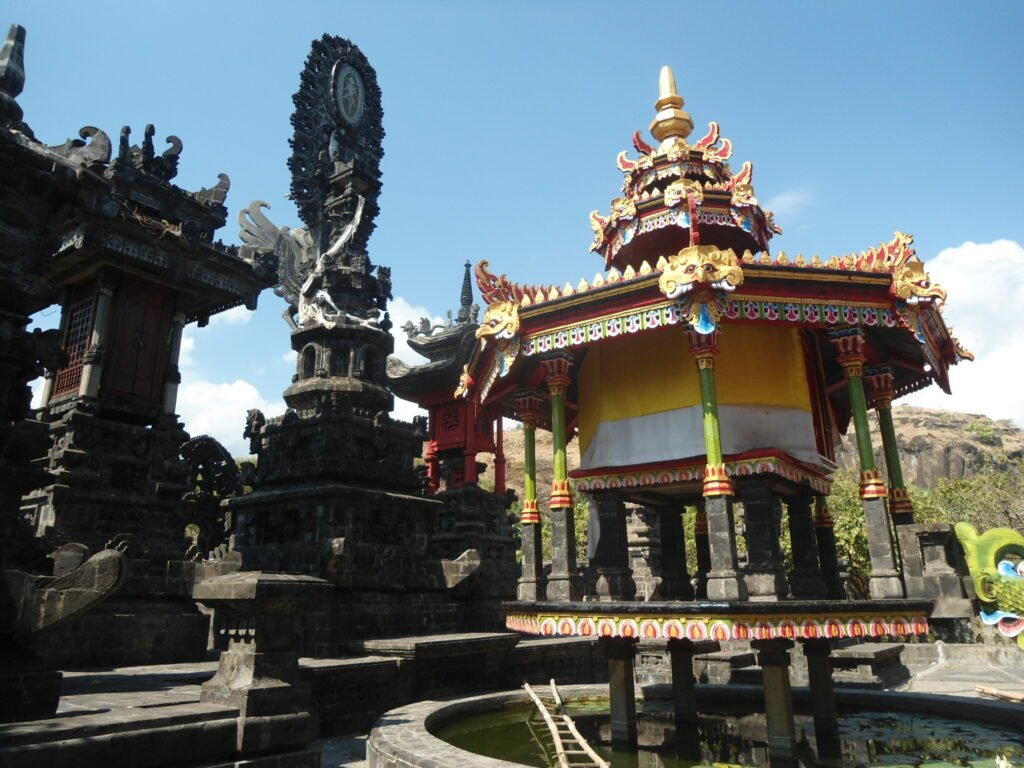
Pulaki Temple stands in the coastal landscape of Banyupoh, Gerokgak, on Bali’s northwestern side. Its position near the Singaraja–Gilimanuk road makes it a useful cultural stop when travelling through the Pemuteran area. The temple is an active place of worship, and its importance extends beyond the architecture visitors can see from accessible areas.
Buleleng’s tourism office links Pulaki with the tradition of Dang Hyang Nirartha and a group of related temples in the surrounding area. Understanding that relationship makes the visit more meaningful than treating it as an isolated roadside monument. A local guide can help explain the religious context while respecting limits on visitor access.
A temple within a wider sacred landscape
Official descriptions identify Pulaki as connected with temples including Melanting, Pabean and Kerta Kawat. These sites have their own roles and are not simply duplicate stops. If visiting more than one, ask a knowledgeable guide about their relationship rather than assuming a standard sequence for tourists.
Stories associated with the temple should be understood as religious tradition and local cultural memory. They are valuable in that context without needing to be presented as a verified chronological account of every event. Listen carefully and ask respectful questions if a host is willing to explain.
Visiting the permitted areas
Wear appropriate temple clothing and follow instructions about sarongs, sashes and restricted spaces. Do not enter an inner courtyard simply because a gate is open. Ceremonies and worship take priority over sightseeing, and access can change accordingly.
Keep voices low, leave offerings undisturbed and avoid blocking movement through the complex. Ask before photographing worshippers at close range. Architectural details can be appreciated from permitted positions without climbing on walls or using sacred structures as props.
Monkeys around Pulaki
Government descriptions note monkeys living around the temple. Keep food packed away, secure loose belongings and avoid feeding, touching or teasing them. Give animals space and follow the advice of temple staff if one approaches.
Do not encourage an interaction for a photograph. A long lens or simply observing from a distance is more appropriate than offering an object or snack. Keep children close and avoid leaving bags open on the ground while looking at the architecture.
Planning a Northwest Bali day
Melanting Temple is a separate nearby cultural destination, while Pemuteran Beach offers a coastal base. A temple visit can complement a reef-focused stay, but change out of wet beachwear before arriving. Carry suitable clothing rather than expecting every site to supply it.
If travelling onward to Menjangan Island, keep that boat excursion separate in your planning unless an operator has confirmed a realistic combined schedule. Temple access, road travel and marine departures do not always fit into one convenient timetable. Allow time for a meal and a comfortable onward journey. Agree the parking and pickup point before leaving your vehicle, particularly when the roadside area is busy.
Frequently asked questions
Is Pulaki Temple near Pemuteran?
It lies in the wider northwestern coastal area at Banyupoh. Confirm the exact destination and access point with your driver.
Can visitors enter every courtyard?
No. Follow the current instructions of temple custodians and respect areas reserved for worship.
Should I bring food for the monkeys?
No. Keep food secured and observe without feeding or touching. Follow local staff guidance around wildlife.
Sources: Buleleng government: Pulaki Temple; Buleleng tourism office: Pulaki’s religious context.
Photo: DayakSibiriak / Wikimedia Commons, CC BY-SA 4.0. No editorial changes by BaliFinder; WordPress may generate display sizes. Source photograph dated 2018-08-20.
