
Leke Leke Waterfall
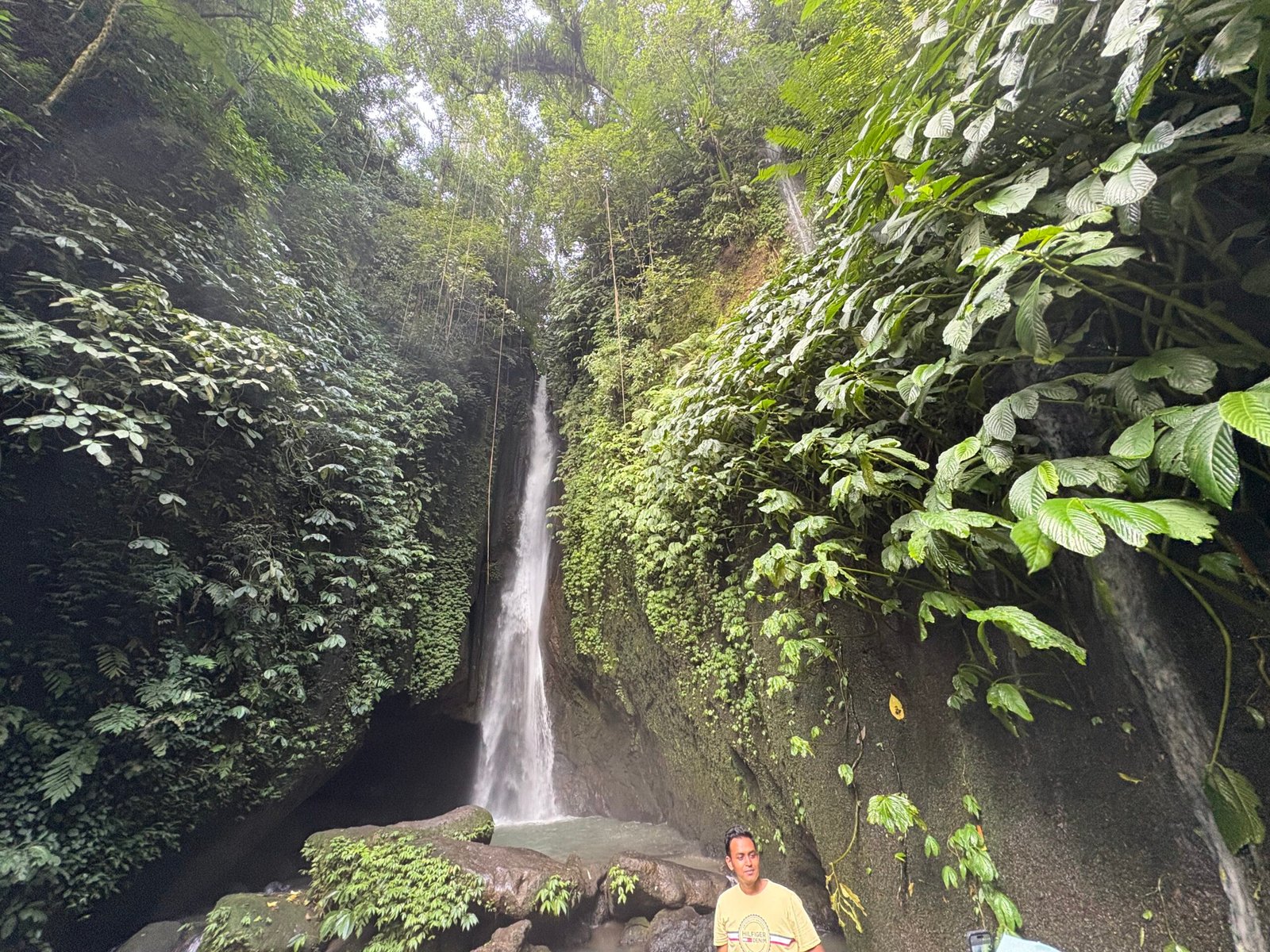
Leke Leke Waterfall in Mekarsari, Baturiti, is known for a narrow cascade framed by rock and tropical vegetation. The approach is part of the experience, taking visitors away from the road toward a more enclosed natural setting. Plan it as a walk with a return climb, not an effortless roadside viewpoint.
A tourism study of Mekarsari places the waterfall in Banjar Kerobokan and describes its single drop and vegetated surroundings. It also documents the site’s connection with local sacred use. Those details make an unhurried, respectful visit more appropriate than treating the waterfall solely as a portrait backdrop.
Check today’s access before departing
Confirm that the visitor route is open and ask about recent weather, path condition and any restricted sections. Nature attractions can alter access after heavy rain or maintenance. A map listing or old trip report is not enough to establish that the route is suitable on your date.
Ask about current admission, last entry and what is included. Keep small cash available and use the designated entrance. If a photo installation or another optional activity is offered, clarify its separate arrangements rather than assuming it forms part of basic waterfall access.
Prepare for the walking route
Wear shoes with grip that stay secure on damp ground. Carry drinking water and protect valuables from rain or spray. Keep your hands available for the uneven sections and avoid carrying more equipment than you can manage comfortably on the return walk.
Ask staff about slopes, steps and crossings before starting, especially if anyone has limited mobility or knee problems. An older description of a bridge or path may not match the current route. Follow the approved way and do not create a shortcut when a section feels muddy or slow.
Appreciate the cascade from permitted viewpoints
The narrow flow and surrounding vegetation lend themselves to a vertical photograph, but a wider image can show the space around the waterfall. Spend a moment observing before choosing a position. Keep away from unstable edges and do not climb wet rock to reproduce someone else’s image.
If a popular photo position has a queue, wait courteously or use a different angle. Finish your photographs and step aside before reviewing them. Do not block the walking route with bags or a tripod, and keep a dry cloth for spray on the lens.
Keep water access separate from viewing
Ask staff what is permitted and suitable around the base on that day. Do not assume that a pool is safe for swimming or that a recess behind the water is open to visitors. Water depth, flow and footing can change, and the waterfall remains worthwhile from an approved land-based position.
Avoid jumping, diving or entering a restricted area. If your group includes children, maintain close supervision throughout the approach and viewpoint. Staying dry is a reasonable preference and should be made clear to a guide before the walk.
Respect local sacred use
The Mekarsari study records religious significance around the waterfall area. Follow local guidance near shrines or water used for ritual purposes, and do not treat a purification place as an ordinary shower. Participation in a ritual requires clear permission and explanation.
Keep voices considerate, do not move offerings and ask before photographing people engaged in worship. Take all rubbish back out and leave plants and natural material undisturbed. These small choices help preserve the setting that makes the visit appealing.
Build a realistic highland day
Lake Beratan or Bali Botanic Garden can complement Leke Leke on a wider highland route. Allow enough time for the waterfall walk, changing if necessary and a meal. Do not plan several demanding descents merely because they appear along the same general direction.
The Blooms Garden is another separate attraction with its own admission and access arrangements. Choose the stop that best matches your interests and the day’s weather, while leaving a comfortable margin for the return drive.
Frequently asked questions
Is Leke Leke a roadside waterfall?
No. Plan for a walking approach and return journey, and ask about the current route before beginning.
Can I assume access from an older photograph?
No. Paths, crossings and water conditions may change. Confirm current opening and permitted viewpoints directly before travelling.
Sources: Ngurah Rai University researchers: Leke Leke and Mekarsari tourism study; The Pavilions Bali: highland route context.
Photo: Chainwit. / Wikimedia Commons, CC BY 4.0. No editorial changes by BaliFinder; WordPress may generate display sizes. Source photograph dated 2025-04-05.
_-_img_12.jpg)