
Goa Lawah Temple
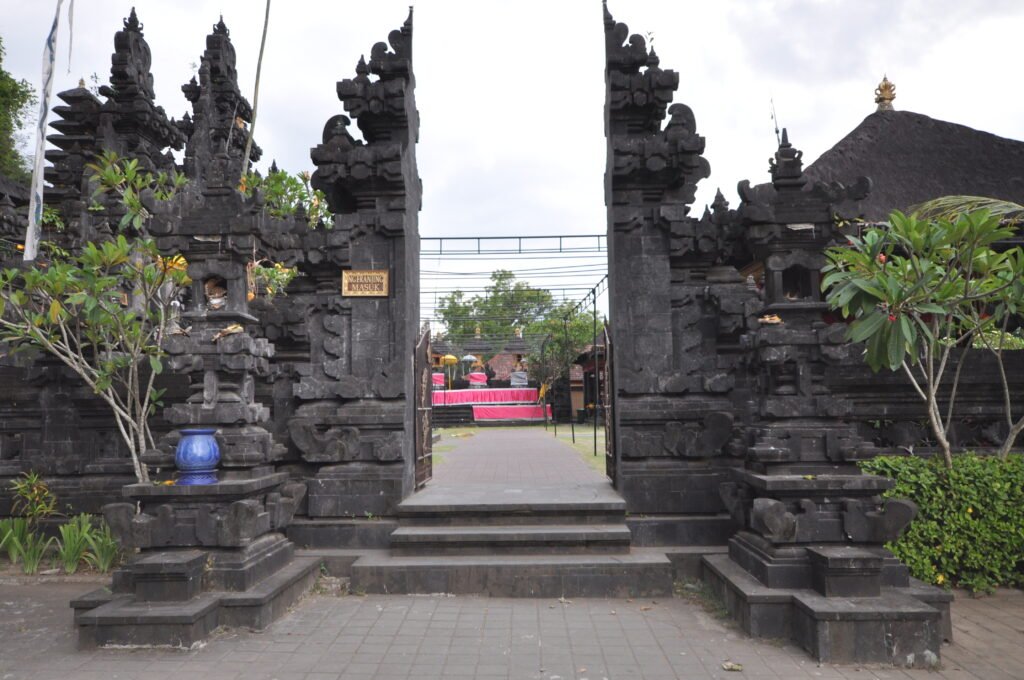
Goa Lawah Temple is a major sacred site on the southeastern side of mainland Bali, known for the cave that gives the temple its name. It combines living religious practice with an unusual natural setting. A rewarding visit pays attention to both, recognising that the cave and temple are part of a place of worship rather than an ordinary wildlife attraction.
A sacred site in Pesinggahan
The Ministry of Religious Affairs lists Goa Lawah in Pesinggahan, Dawan district, Klungkung, and identifies it among Bali’s Sad Kahyangan temples. Its description notes shrines around the cave entrance and the tall meru structures within the complex. These architectural elements help frame the visitor’s view, but their purpose is religious.
Historical accounts associate the temple with Mpu Kuturan, while the ministry explicitly notes uncertainty about a precise founding date. It is more accurate to appreciate the site’s long-standing significance than to treat one unsupported year as settled history.
Observe the cave without disturbing it
Klungkung’s tourism office describes the cave’s bats as a defining feature of Goa Lawah. Watch from the designated visitor area and follow instructions about where you may stand. Do not approach the animals, shine lights into the cave or attempt to enter areas that are not open to visitors.
A photograph of the cave mouth can include its architectural setting as well as the animals. Avoid forcing a close view at the expense of worshippers or other visitors. The sound and movement may be part of the experience, but quiet observation is more appropriate than trying to provoke activity.
Understand the temple calendar
The ministry’s listing places the temple’s recurring anniversary ceremony on Anggara Kasih Medangsia in the 210-day Balinese calendar. This is not a fixed annual Gregorian date. If a ceremony is central to your interest, verify its date and visitor arrangements locally before travelling.
Ceremonies can change the flow of people and the areas available to tourists. Give worshippers priority, keep processional routes clear and accept that access may be limited. Observing respectfully from an approved position is preferable to assuming a ticket grants entry to every courtyard.
Dress and behave as a temple visitor
Ask about current dress requirements and whether a sarong or sash is available at the entrance. Follow the temple’s posted eligibility and conduct rules, and avoid stepping over offerings. Keep voices low and ask before photographing people at prayer, especially close portraits.
A local guide can explain the site’s role and the meaning of visible structures without interrupting worship. Agree the guiding arrangement clearly beforehand. If you have a specific religious or historical question, allow space for the explanation rather than treating the stop as a checklist of images.
Plan a coastal Klungkung itinerary
Goa Lawah can fit into a mainland route that includes Kusamba Beach or Kusamba Traditional Salt Making. These stops provide a different perspective on the coast through everyday work and local livelihoods. Salt-making demonstrations depend on production and arrangements, so contact a host rather than assuming activity is continuous.
For a broader historical day, continue to Kertha Gosa and Taman Gili in Semarapura. Keep enough time for the temple itself and check current entrance arrangements before setting a tight schedule. The coastal road also carries ordinary traffic, so use proper parking and take care when moving between roadside areas.
Frequently asked questions
Can visitors explore inside the bat cave?
Do not assume the cave is an open visitor route. Remain in approved areas and follow temple staff instructions; the normal visit concerns the temple and the cave entrance.
Does the temple anniversary occur on the same date every year?
No. The listed ceremony follows the 210-day Balinese calendar. Confirm the corresponding date and visitor arrangements for your trip.
Sources: Ministry of Religious Affairs: Goa Lawah Temple; Klungkung Tourism: Goa Lawah.
Photo: Jorge Láscar from Melbourne, Australia / Wikimedia Commons, CC BY 2.0. No editorial changes by BaliFinder; WordPress may generate display sizes. Source photograph dated 6.
.jpg)