
Semarajaya Museum
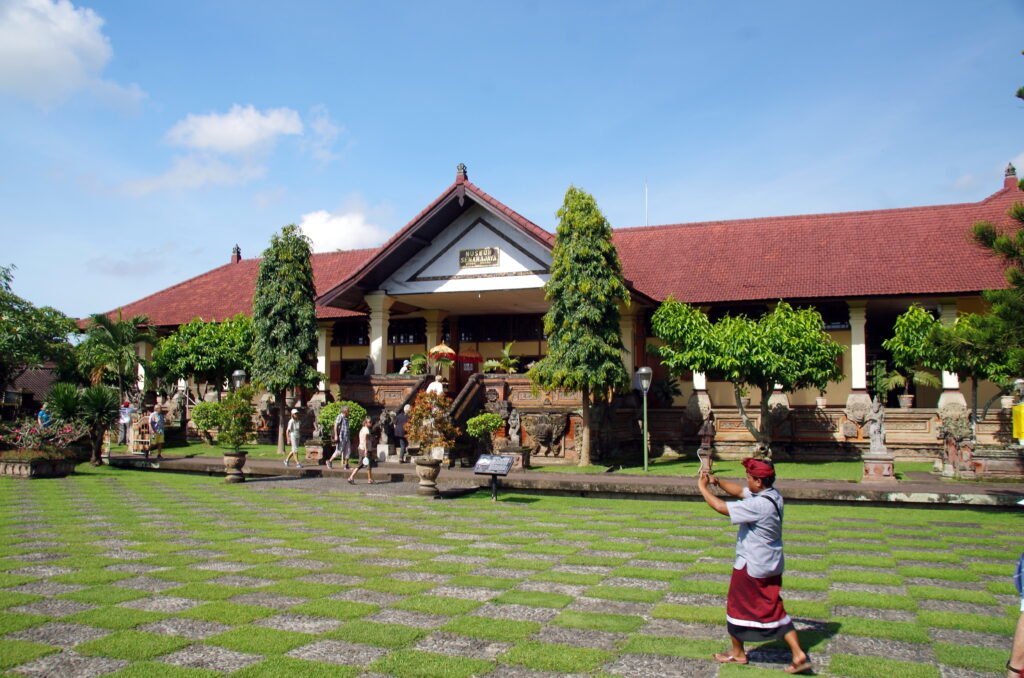
Semarajaya Museum adds an indoor, interpretive dimension to a visit around Semarapura’s heritage district. It is a useful stop for travellers who want to understand Klungkung through objects and stories as well as architecture. The museum is best approached with curiosity about how local history is preserved, explained and passed on to new generations.
A museum within the heritage district
Klungkung’s official cultural and tourism information places Semarajaya within the Kerta Gosa heritage area. This makes it a natural companion to Kertha Gosa and Taman Gili, but the museum deserves time of its own. A building viewed outdoors and an object interpreted in a gallery offer different ways of understanding the past.
Ask staff which displays are currently available and where to begin. Rather than moving quickly through every room, choose a few objects or themes to explore in detail. Questions about an item’s use, maker and journey into the collection can turn a short visit into a more memorable encounter.
Objects can carry complicated histories
A Klungkung government report from 2019 records the return of spearheads associated with the period of the 1908 conflict, intended for display at Semarajaya. The account also stresses the value of explaining objects rather than treating them as decoration. This illustrates an important museum question: how does an artefact help people understand the history connected to it?
Do not assume that a particular object mentioned in an older report is on display every day. Collections can rotate or be conserved. If you have a special interest in royal history, weapons or repatriation, contact the museum in advance and ask what material is currently accessible.
Look for temporary cultural programmes
The museum also hosts cultural activities. For example, the regency documented a keris and heirloom exhibition with workshops in September 2025. That was a dated event, not a permanent daily programme, but it shows why checking the current calendar can improve a visit.
Ask about exhibitions, talks or demonstrations that coincide with your travel dates. Some activities may require registration or be aimed at local participants. A museum visit can still be worthwhile without an event, so build your plan around the collections and treat additional programmes as something to confirm separately.
Visit with attention and care
Follow instructions about photography, flash, bags and access to displays. Keep hands away from objects even when they are within reach, and leave enough room for other visitors to read labels. If information is unfamiliar or not available in your language, ask whether staff can explain the main themes or recommend a guide.
Families can make the visit more engaging by choosing one object to discuss together: what was it used for, who might have used it, and what evidence helps answer those questions? This encourages observation without turning the gallery into a race to see everything.
Connect the museum to Semarapura
Puputan Klungkung Monument provides a related place of remembrance, while the painted ceilings at Kertha Gosa offer a different visual language for history and moral storytelling. Visiting these together makes a coherent town-based itinerary with less travel than a scattered series of distant attractions.
If the art interests you most, continue to Kamasan Village for a prearranged studio visit. Confirm current museum hours and admission before fixing the order of the day, and leave room for a meal or rest between sites rather than rushing through the final gallery.
Frequently asked questions
Are special exhibitions held every day?
No. Published government reports describe specific dated events. Check the current programme directly and distinguish temporary exhibitions from the regular visit.
Is Semarajaya the same as Kertha Gosa?
No. They belong to the same broader heritage area but offer different experiences. The museum focuses on collections and interpretation, while Kertha Gosa is especially known for its architecture and ceiling paintings.
Sources: Klungkung Regency: return of historical spearheads; Klungkung Regency: 2025 museum exhibition and workshops.
Photo: Balou46 / Wikimedia Commons, CC BY-SA 4.0. No editorial changes by BaliFinder; WordPress may generate display sizes. Source photograph dated 2018-01-03.
