
Penataran Sasih Temple
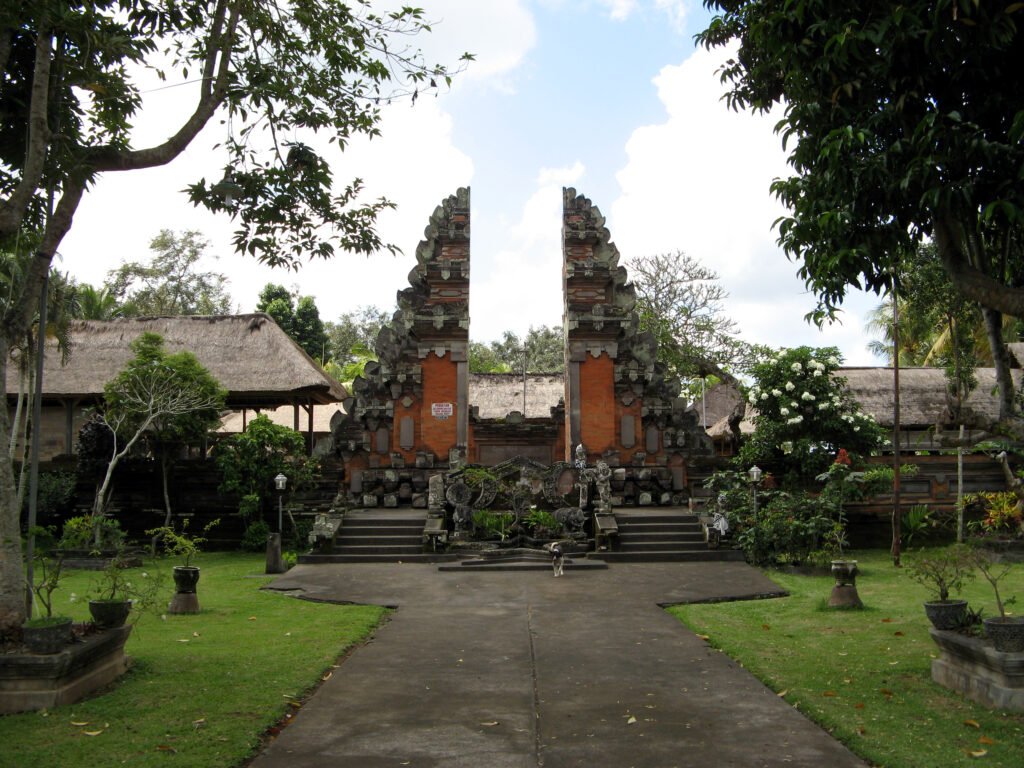
Penataran Sasih Temple is a Hindu temple in Pejeng, Gianyar, especially known for the ancient bronze drum often called the Moon of Pejeng. The destination brings together a living sacred setting and an object of major archaeological importance. Visitors interested in early craftsmanship and cultural continuity will find it more rewarding with a little background than as an unexplained photo stop.
The Moon of Pejeng
The drum is also referred to as the Nekara Pejeng. Indonesia’s cultural-protection directorate listed it among objects recognised for national heritage significance through the 2019 assessment process. Its importance extends beyond its striking size: it belongs to the study of bronze-working and the movement of forms, ideas and practices in the region.
The “Moon” name carries cultural and legendary associations. Treat those stories as part of the object’s history of meaning, while distinguishing them from archaeological claims about its manufacture. A good explanation can include both without pretending they are the same kind of evidence.
Viewing a sacred heritage object
Ask where visitors may stand to see the drum and follow the current arrangement. Do not climb a structure, cross a barrier or touch the object to obtain a closer view. If the position makes some details difficult to see, use a permitted camera zoom or study reference images later.
Look at the overall shape and any visible decoration before searching for precise dates or superlatives. Avoid relying on unverified claims that it is the oldest or largest object of its kind. Its recognised significance does not depend on winning a comparison with every other bronze drum.
The temple around it
Penataran Sasih is not simply a shelter built for an exhibit. It remains a place of worship, and the relationship between heritage and religious use is central to the visit. Wear modest clothing and the sarong and sash required by attendants, and ask which areas are open to non-worshipping visitors.
Keep clear of offerings and people preparing for ceremonies. Photography of the setting should remain discreet, and close photographs of worshippers require permission. A religious event may limit access or alter the usual route, so leave flexibility in your itinerary.
Make the archaeology understandable
A local guide can help explain what a nekara is and why the Pejeng example matters. Ask about the difference between the object’s original historical context and its later sacred role. If an explanation includes a precise date or origin, ask what evidence supports it rather than assuming every confident statement is settled scholarship.
For families, the drum offers a clear starting question: how would people have made such an object without modern industrial tools? You do not need to resolve every technical detail during the visit. The question itself draws attention to the skill and organisation involved in early metalworking.
Planning a Pejeng route
Kebo Edan Temple provides a nearby-area comparison through stone sculpture, while Goa Gajah and Yeh Pulu Relief offer other forms of religious and archaeological heritage. Choose a small group of sites and allow explanation time. Rushing from one object to another can obscure the differences that make each important.
Confirm current visitor access and any contribution arrangements locally. Wear comfortable shoes, carry water for the journey and ask about accessible viewing if steps would be difficult. Use the full Penataran Sasih name in Pejeng when arranging transport, rather than a broad search for “moon temple.”
Is the Moon of Pejeng a stone statue?
No. It is an ancient bronze drum, commonly called a nekara, kept within the temple setting.
Can visitors touch or play the drum?
No. It is a protected and sacred heritage object, not an instrument provided for visitor demonstrations.
Sources: Cultural-protection directorate: Nekara Pejeng recognition, Mudra arts journal: Nekara Pejeng research and Indonesia Travel: temple location.
Photo: Michael Gunther / Wikimedia Commons, CC BY-SA 4.0. No editorial changes by BaliFinder; WordPress may generate display sizes. Source photograph dated 2008.
