
Badung Market
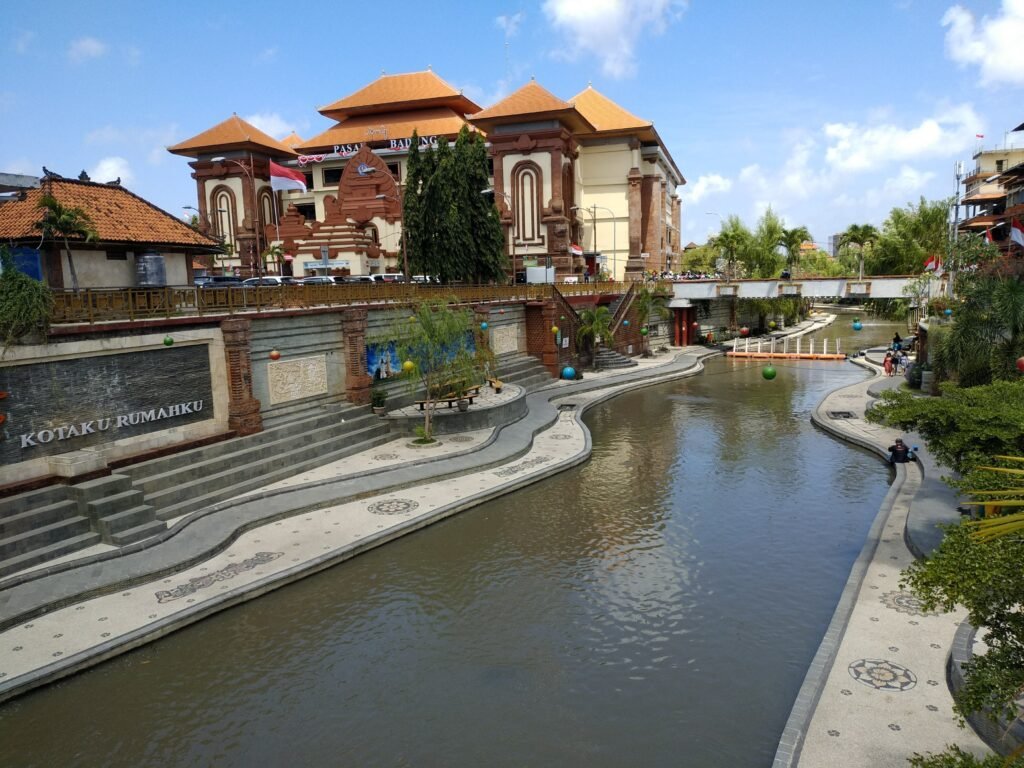
Badung Market, or Pasar Badung, is a major working market in central Denpasar. It is a place to observe the exchange of food, household goods and ceremonial supplies that supports everyday life. Visitors who approach it with curiosity and patience will find more here than a souvenir stop, but the needs of traders and regular customers should remain the priority.
What makes the market distinctive?
The market is associated with the Badung River and the city’s long commercial history. Its current building followed reconstruction after the 2016 fire. Denpasar’s heritage material describes several trading levels, so allow time to orient yourself rather than expecting every type of goods to be visible from the entrance.
The city also highlights juru suun, porters traditionally associated with carrying purchases in baskets on the head. If you need carrying assistance, agree on the service and price before accepting it. Their work is a livelihood, and a photograph should follow permission rather than being taken as though someone were performing for tourists.
A useful first circuit
Start with a short walk through an open trading section and notice what local customers are buying. Produce, spices, snacks and materials used in daily life can help explain ingredients or objects you have encountered elsewhere in Bali. Ask brief questions when a seller is not busy and do not block a transaction to take a picture.
Once you understand the layout, return to the stalls that interest you. This is often easier than buying immediately and carrying heavy bags through the rest of the visit. If you are looking for one specific item, ask a trader where to find it rather than wandering through every floor without a plan.
Buying with confidence
Confirm whether a price is per piece, packet or weight. Inspect the item you will actually receive, and agree on the total before handing over payment. Bargaining can be appropriate for some goods, but it is a conversation rather than a contest; remain courteous and walk away politely if the price does not suit you.
For food purchases, think about how soon you will eat or store them. Travellers without refrigeration should avoid carrying perishable items through a long sightseeing day. Ask about ingredients for prepared food, and check your destination’s import rules before buying plants, seeds or animal products to take abroad.
Timing and practical details
The wider market trades over long hours, but activity changes through the day and individual sellers follow their own routines. A general claim that a market is open around the clock does not mean every stall is available at midnight. Choose your visit around the goods or atmosphere you want to experience.
Wear shoes with a secure sole, carry small cash and keep valuables close. Floors can be wet around produce and food areas. Keep children within easy reach and leave room for loaded baskets and trolleys. If you arrange a guide, establish the duration and fee in advance.
Nearby places to combine
Kumbasari Market lies across the river and is particularly associated with crafts and souvenirs. Kumbasari Park offers a riverside pause, while Gajah Mada Heritage Street continues the urban-history theme. For a more formal cultural introduction, include Bali Museum if its opening hours fit your schedule.
Save a clear pickup point outside the busiest loading areas. A compact market-and-street visit is often easier to manage than combining Denpasar shopping with several distant attractions on the same morning.
Is Badung Market mainly for tourists?
It remains a working market for local trade. Visitors are welcome to shop and observe respectfully, without interrupting business.
Is it the same as Kumbasari Market?
No. They are neighbouring markets linked by the river area, with overlapping goods but different shopping associations.
Sources: Denpasar heritage tour: Badung Market history and Denpasar tourism: market and river setting.
Photo: Sasha India / Wikimedia Commons, CC BY-SA 2.0. No editorial changes by BaliFinder; WordPress may generate display sizes. Source photograph dated Taken.
