
Ulun Danu Batur Temple
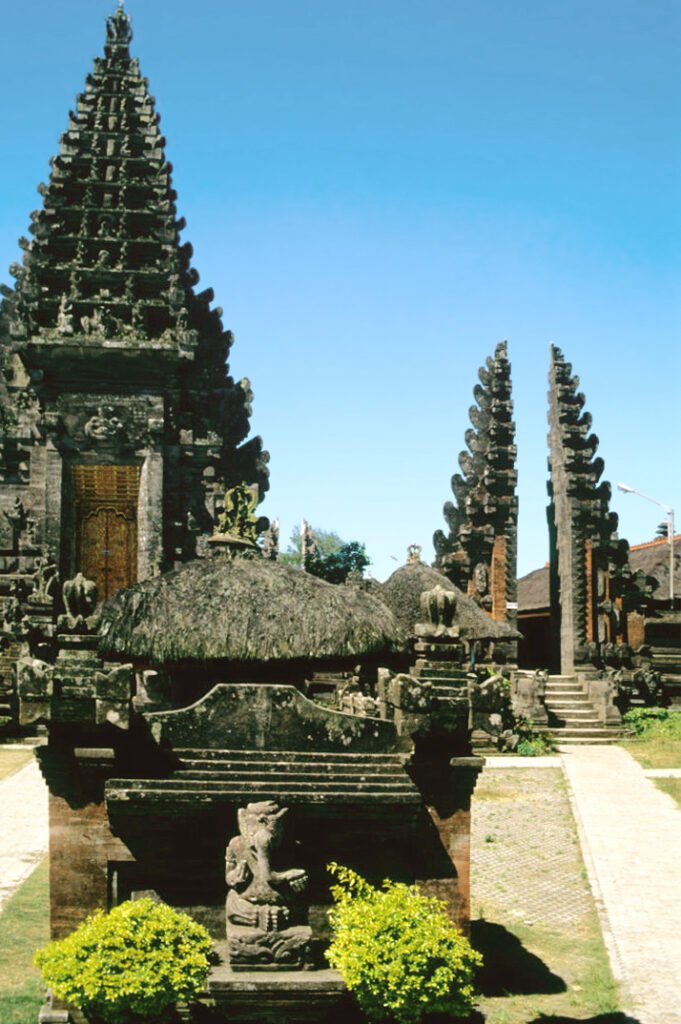
Ulun Danu Batur Temple is an important religious destination in Kintamani, connected with Bali’s relationship to water and the Batur landscape. It deserves a visit focused on its cultural role, rather than an expectation of finding the lake-edge image often associated with a different temple. Confirm the full name and address before arranging transport, because several Balinese temples include the words Ulun Danu.
Batur is not Beratan
Ulun Danu Beratan Temple is the well-known lakeside temple in the Bedugul area. Ulun Danu Batur belongs to the Kintamani landscape and has a different history and location. A tour description that simply says “Ulun Danu” leaves an important ambiguity, so ask which temple is intended.
There are also temple sites around Lake Batur whose names include Segara or Ulun Danu. Do not assume that every photograph tagged with those words shows the same entrance. Give your driver the precise destination and confirm the route if a particular temple is central to your plans.
Water, worship and historical change
Bali’s provincial tourism office identifies the temple’s dedication to Dewi Batari Ulun Danu, associated with lakes and rivers. The religious significance is therefore closely connected with the wider landscape, rather than being limited to the appearance of individual shrines. A local explanation can help you understand those relationships without reducing them to a list of architectural features.
BKSDA Bali’s account of the 1926 eruption describes the destruction of the earlier Batur settlement and temple and the community’s displacement. This history is an important reminder that the scenery around Batur has shaped people’s lives through disruption as well as beauty. Ask a knowledgeable guide how the temple’s present setting relates to that earlier landscape.
Visiting an active temple
Check the current visitor entrance, admission arrangements and required dress when you arrive. Wear modest clothing and follow instructions about sarongs and sashes. Clarify whether any garment or guide service is included or charged separately before accepting it.
Keep ceremonial routes clear and avoid standing in front of people praying. Some spaces may be restricted to worshippers or closed during particular activities. A ticket does not guarantee access to every courtyard, and a gate being open does not necessarily mean visitors may pass through it. Ask the attendant when uncertain.
Observe without interrupting
Architectural details reward a slow visit, but photographs should be taken from permitted positions. Do not climb shrines or lean equipment against religious structures. Ask before close portraits of worshippers and accept that some moments are better observed without a camera.
If a ceremony is under way, adjust your pace and route to local instructions. Keep conversation quiet and avoid treating the event as a performance staged for visitors. A guide can explain what is appropriate while allowing participants to continue their own activities.
Combine the temple with Kintamani
Penelokan and Batur Geopark Museum can add visual and geological context to a temple visit. A descent to Lake Batur provides another perspective, but allow time for the roads rather than assuming the sites are adjacent. Plan your clothing so that a later hot-spring stop does not leave you arriving at a temple in bathing attire.
Is this the temple shown beside Lake Beratan?
No. Ulun Danu Batur and Ulun Danu Beratan are different destinations in different parts of Bali.
Can visitors enter every part of the complex?
No. Follow current local directions and respect worship-only or temporarily closed areas.
Sources: Bali tourism office: Pura Batur and BKSDA Bali: the 1926 Batur displacement.
Photo: LBM1948 / Wikimedia Commons, CC BY-SA 4.0. No editorial changes by BaliFinder; WordPress may generate display sizes. Source photograph dated 1998-09.
